by abduzeedo
Most design tools solve the wrong problem. They give a designer a canvas and wait. Variant flips that equation. The San Francisco-based AI design tool skips the blank page entirely — type an idea and a scrolling feed of fully-formed UI designs appears immediately. No canvas. No Figma skills. No prompt engineering. Just scroll.
Variant was built by Ben South, previously VP at Postmates and founder of Sonar and Bold. His thesis is simple: the hardest part of design is the beginning. Most people do not struggle with refinement — they struggle with direction. Variant solves that by replacing the empty canvas with an infinite visual conversation. As South put it on launch: "Enter an idea and get endless (beautiful) designs as you scroll. No canvas, no skills or MCP, no constant prompting."
How the AI Design Tool Works
The interface of this AI design tool is deliberately minimal. A prompt box sits in the corner. Type anything — a travel app, a podcast site, a riddle game — and Variant starts generating. It does not produce one answer and stop. It keeps going. Each scroll reveals another interpretation, another visual direction, another design language to consider. Some lean editorial, some lean product, some lean experimental. The feed never repeats itself.
What makes this AI design tool different is the absence of friction. Other tools require back-and-forth conversation. Designers write prompts, evaluate outputs, refine prompts, repeat. Variant removes that loop. The exploration happens at the speed of scrolling, not at the speed of writing. Veteran designer M.A. Baytaş, who builds at the intersection of AI and interface research, called Variant "the one getting it right" among current AI design tooling companies.
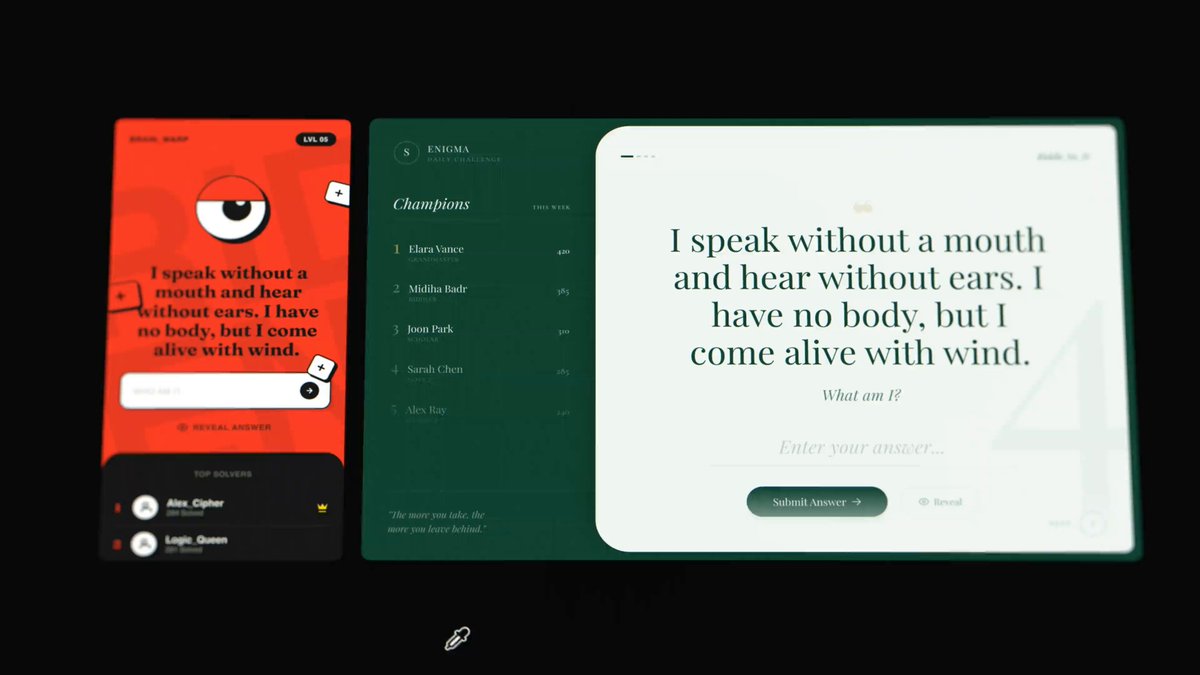
The range of outputs is worth noting. Three versions of the same riddle app reveal how wide Variant's aesthetic register runs. One renders in bold red-orange with a cyclops-eye mascot and heavy black type — playful, arcade-energy. A second moves to dark hunter-green with a structured leaderboard and Italianate serif type — serious, competitive. A third shifts to clean white with large display serif at near-editorial scale — contemplative, almost literary. Same underlying structure, three completely different worlds.
Style Dropper and the Power of Visual Transfer
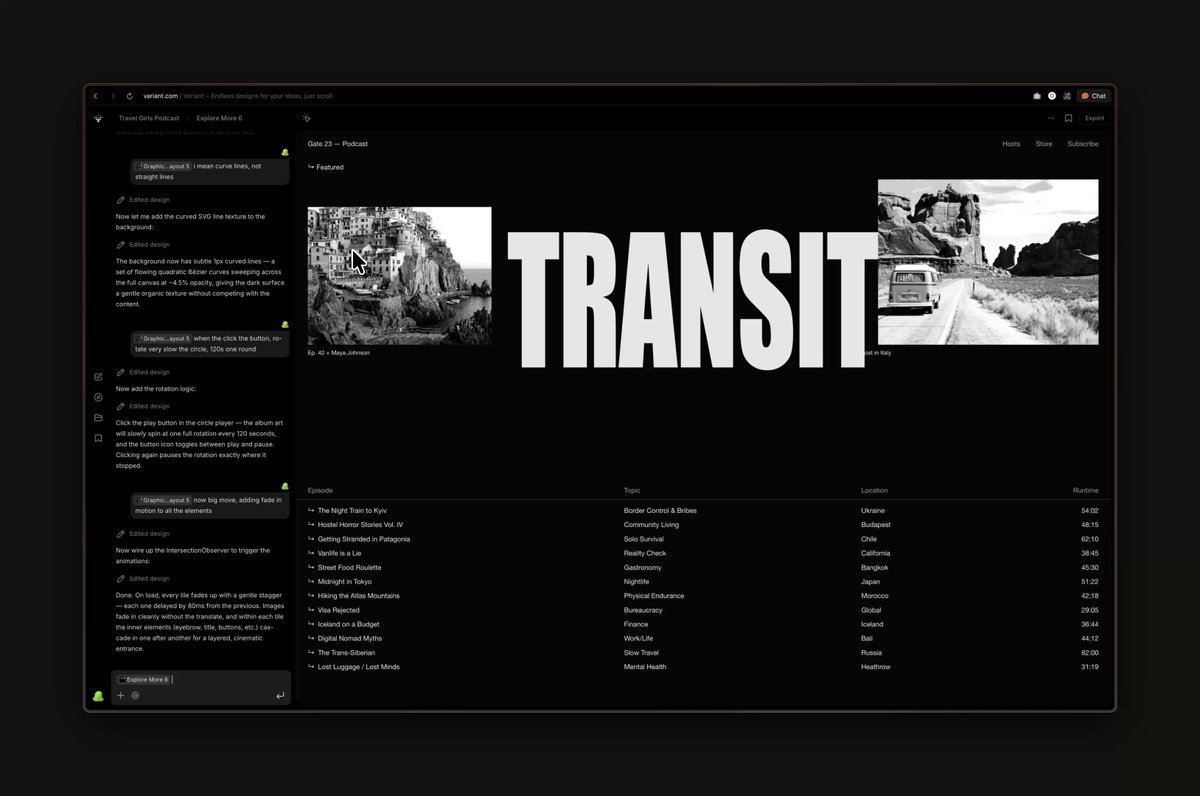
Beyond the scroll, Variant has introduced a feature called Style Dropper. It works like a design eyedropper. Point it at any generated design, and it absorbs that design's visual DNA — the color palette, the typographic rhythm, the spatial density. Aim it at a different design and the style transfers over, rearranging the layout to match the source aesthetic. South described it as "a tool that lets you absorb the vibe of anything you point it at and apply it to your designs. It's absurd and it just works."
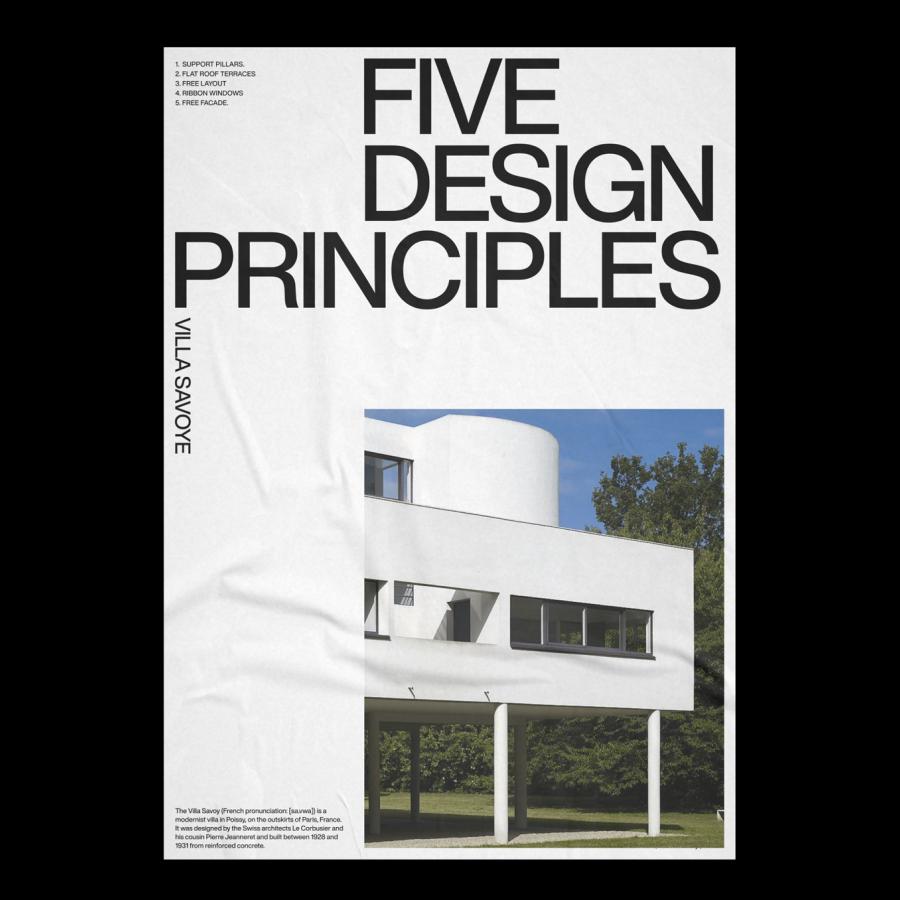
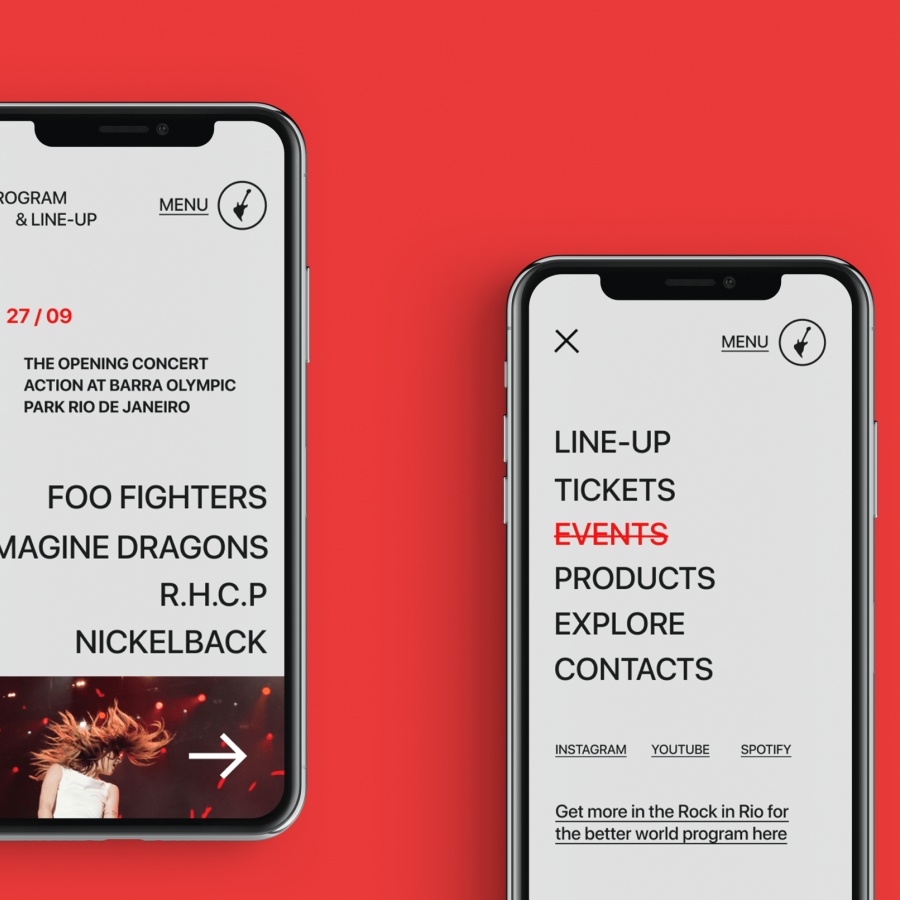
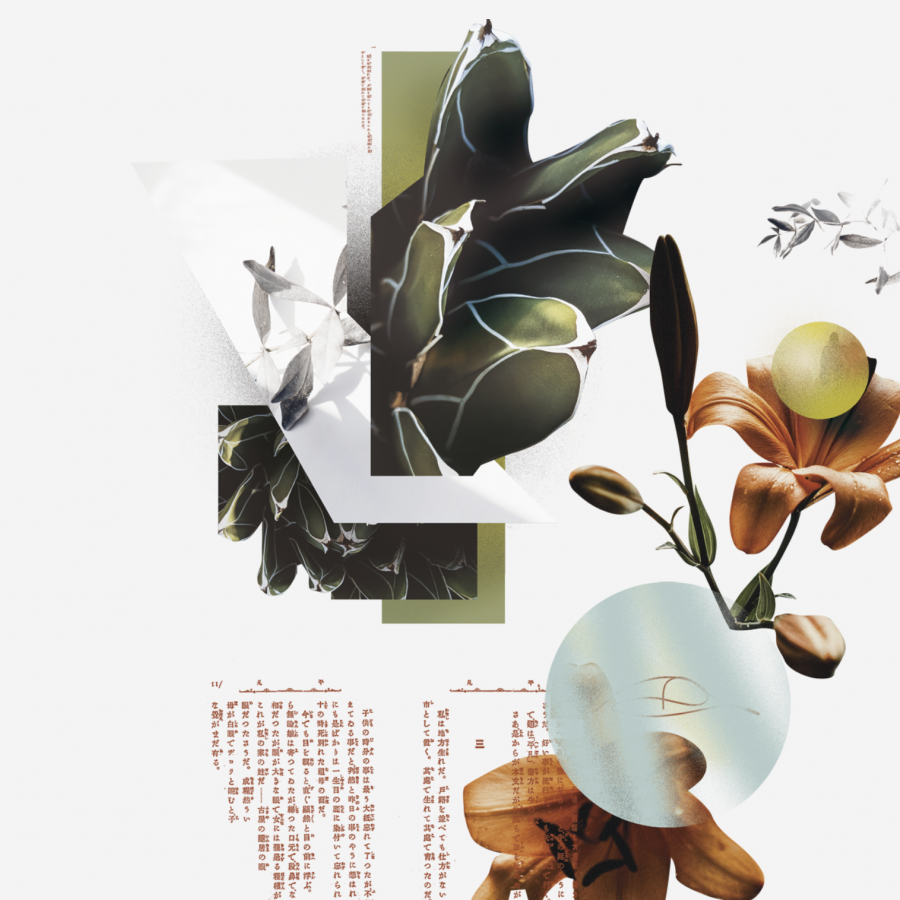
The community gallery shows how far users push the tool. One design recreates a Berlin techno event ticket in a dot-matrix monochrome grid — raw, printer-aesthetic typography laid over pixelated noise textures. Another builds a brutalist personal portfolio with a header reading "System Architecture & Visual Displacement" in condensed system-type against crisp white. A third goes full sci-fi terminal: green-on-black diagnostic readouts, STATUS: AUTHORIZED ACCESS, scan-line overlays.
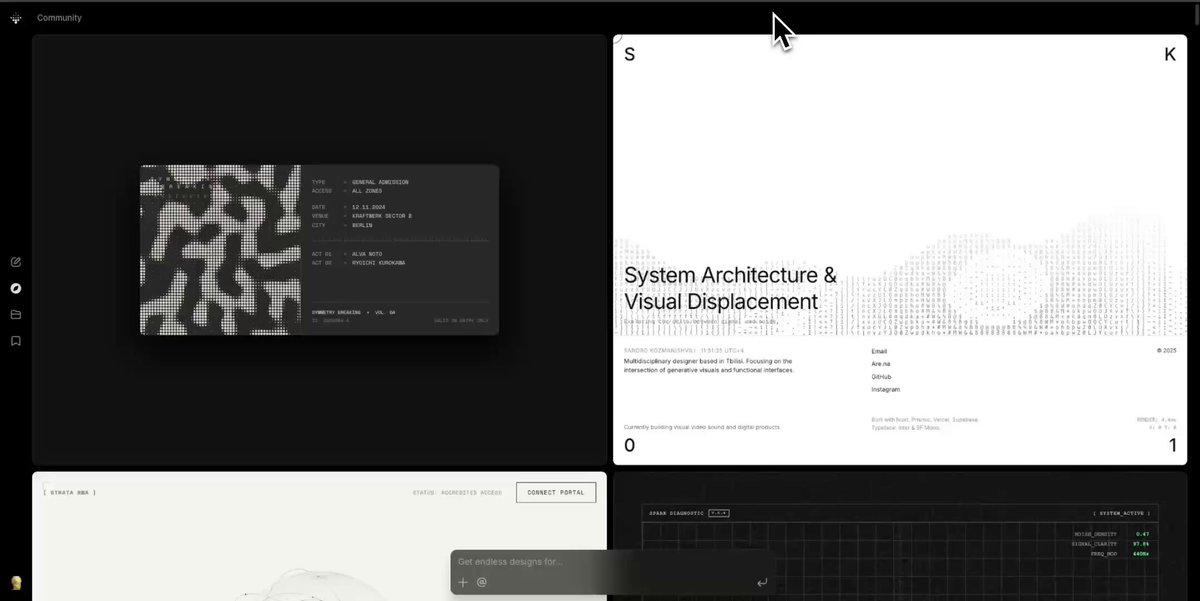
These are not stock templates. They are generated from prompts. The range signals something real about what AI can do when the constraint is eliminated and the visual space is left open.
Every design Variant generates can be exported as HTML or requested as React code. That closes the loop from visual exploration to working prototype without leaving the platform. For early-stage product work — when teams need to move from idea to testable direction before committing to a tech stack — that pipeline changes the economics of exploration.
Variant is a different kind of AI design tool: one that shows up before anyone knows what they want. Most tools arrive too late, when a direction already exists. Variant shows up at the beginning, when every direction is still possible, and it keeps showing up — scroll after scroll — until one design stops the hand.