The Art of Spending Money Happiness by Morgan Housel
Morgan Housel’s The Art of Spending Money reframes spending money happiness — social debt, hedonic traps, and comparison quietly drain what matters most.
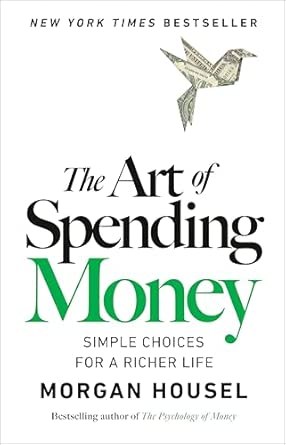
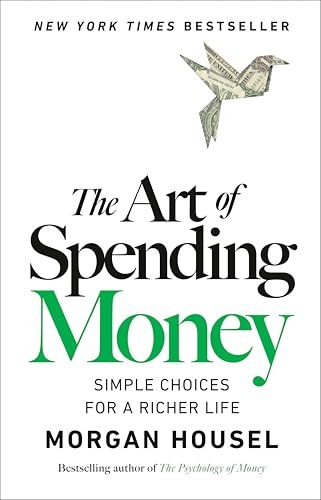
Published in October 2025 by Portfolio (Penguin Random House), the 256-page book follows Housel’s bestselling The Psychology of Money with a harder question: not how to accumulate, but what spending money happiness actually requires. Housel’s central argument is that money is not math — it is emotion. He names the hedonic treadmill plainly: the moment someone gets the thing they thought they wanted, they automatically want something different or something more. The cover itself signals the tone — a white field, an origami hummingbird folded from a dollar bill, nothing else. Clean, slightly absurd, worth looking at twice.
The Hidden Cost of Spending Money Happiness
The sharpest idea in the book is social debt — the invisible weight of maintaining appearances through spending. “Being rich is super expensive,” Housel writes, and the spending money happiness most people chase compounds into lifestyle obligations, status maintenance, and the relentless pressure of comparison. Social media accelerates this: what someone else buys, how they live, the path they announce — none of it tells a reader whether that spending money happiness will translate. The book argues that the happiest people are rich and anonymous, not seeking exposure, not performing wealth. For working people building financial independence, that reframe is the whole point. Pick up Morgan Housel’s The Art of Spending Money for a clear-eyed look at where the money actually goes.