by jeff
Lovart AI design agent is the world's first autonomous creative platform, turning all prompts into complete brand campaigns, app UIs, and design systems.
Designers spend too much time juggling tools. They prompt in Midjourney, animate in Runway, refine copy in ChatGPT, and stitch everything together by hand. The Lovart AI design agent changes that entirely. It acts as an autonomous creative director that plans, executes, and delivers polished design work from a single natural language prompt. The result is a fully integrated workflow where the AI handles orchestration across multiple models at once.

At the core of Lovart is a reasoning engine called MCoT, short for Mind Chain of Thought. This system mimics how senior creative directors think. It analyzes the brief, considers brand requirements, researches visual references in real time, and builds an execution plan before generating anything. That planning phase is visible to the user, so designers can follow the AI logic before results appear.

How the Lovart AI Design Agent Works
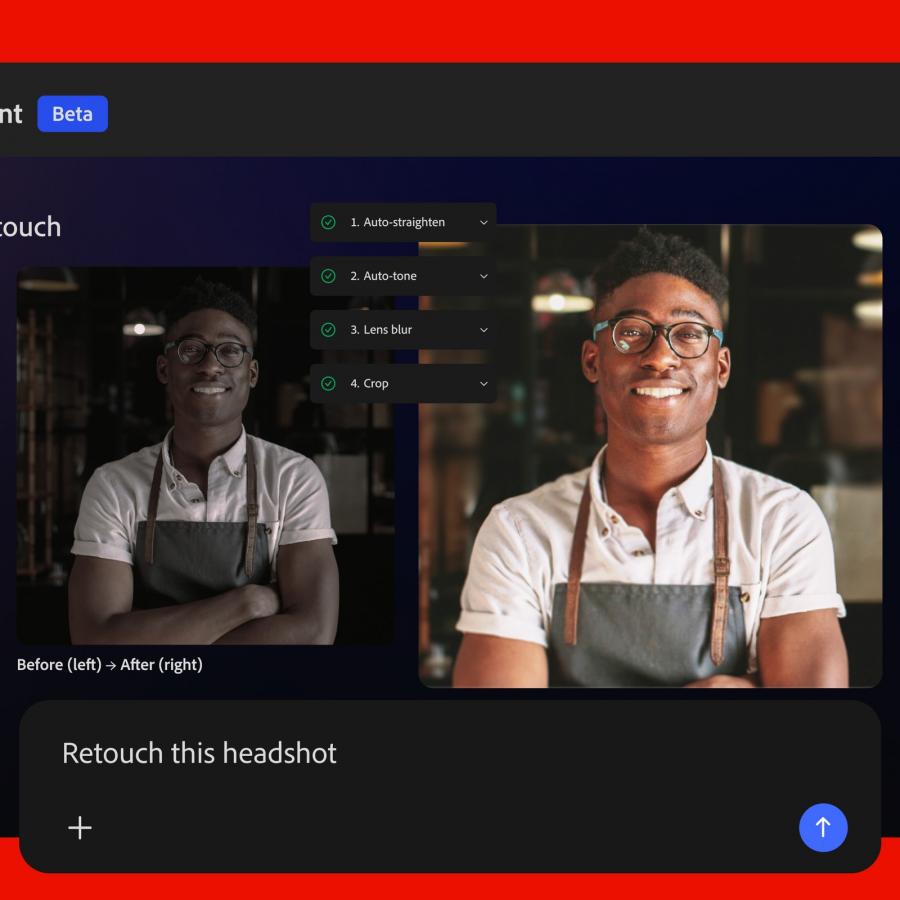
The Lovart AI design agent uses a Talk.Tab.Tune interface. Designers describe what they need, click elements to modify them, and refine outputs with precision tools. Touch Edit lets users remove or swap specific elements without disturbing the composition. Text Edit separates typography into editable layers. Style Consistency ensures every output carries the same visual language across formats, from product posters to brand guidelines.


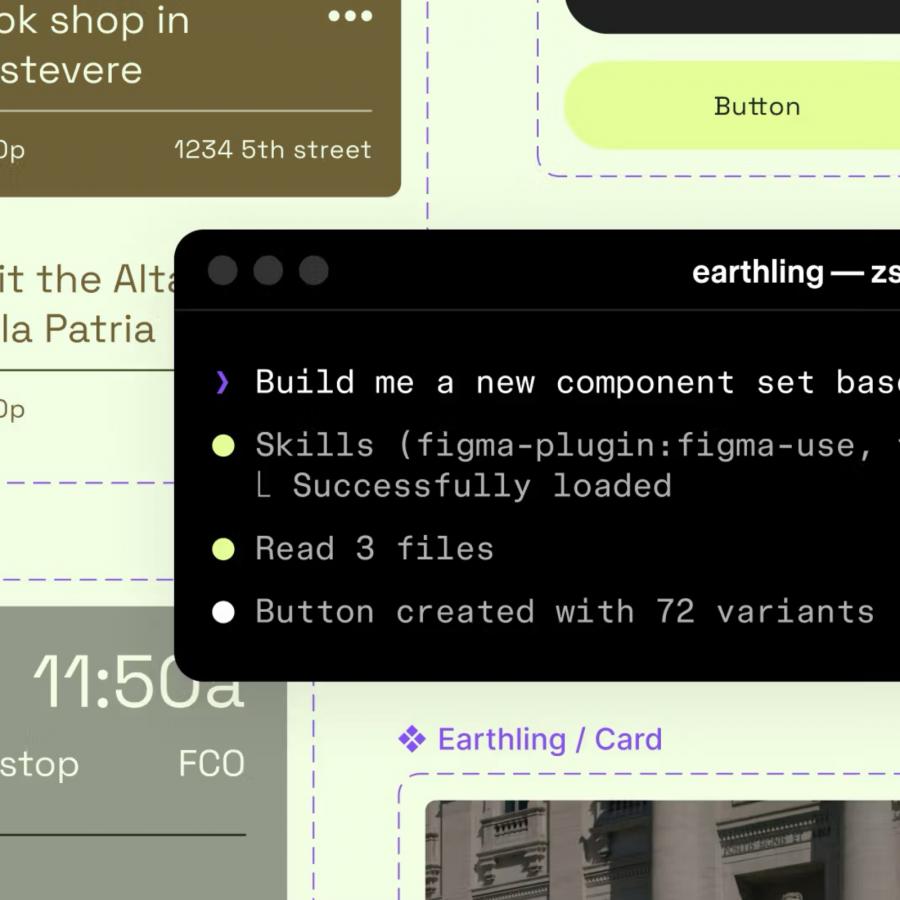
From one prompt, the Lovart AI design agent can produce more than 40 deliverable types. Those include logos, packaging, app UI screens, merchandise mock-ups, and full-length promotional videos with lip-sync audio. A complete brand system that traditionally costs over thirteen thousand dollars and takes months can now be produced in hours. The platform launched publicly with a free tier offering 500 daily credits, and it attracted 100,000 users from 70 countries within five days.


The Lovart AI design agent represents a new category of creative software. It is not a generator. It is a workflow. Designers who adopt the Lovart AI design agent stop being tool operators and start directing outcomes at a higher level.