by jeff
Seedream 5.0 by ByteDance is an AI image generation model with built-in photographic knowledge, example-based editing, and multi-step reasoning for designers.
Most AI image generators respond to keywords. Seedream 5.0 responds to knowledge. ByteDance's latest model understands the difference between shooting on Kodak Portra 400 and Fuji Provia 100F, how to construct a Rube Goldberg machine that makes physical sense, and how to apply a kintsugi repair technique to a ceramic vase simply by being shown a before-and-after example on a different object. That distinction — between pattern matching and genuine domain understanding — is what separates this model from what came before.
The example-based editing capability is arguably the most significant feature for working designers. Rather than writing elaborate verbal descriptions of a complex visual transformation, a designer shows the model two images: a plain object and its transformed version. Seedream 5.0 understands the transformation rule and applies it to any new object provided. The kintsugi demonstration in ByteDance's documentation makes this concrete — give it a plain mug next to a kintsugi mug, then point it at a vase, and it delivers a kintsugi vase without a single word describing the gold-crack technique.
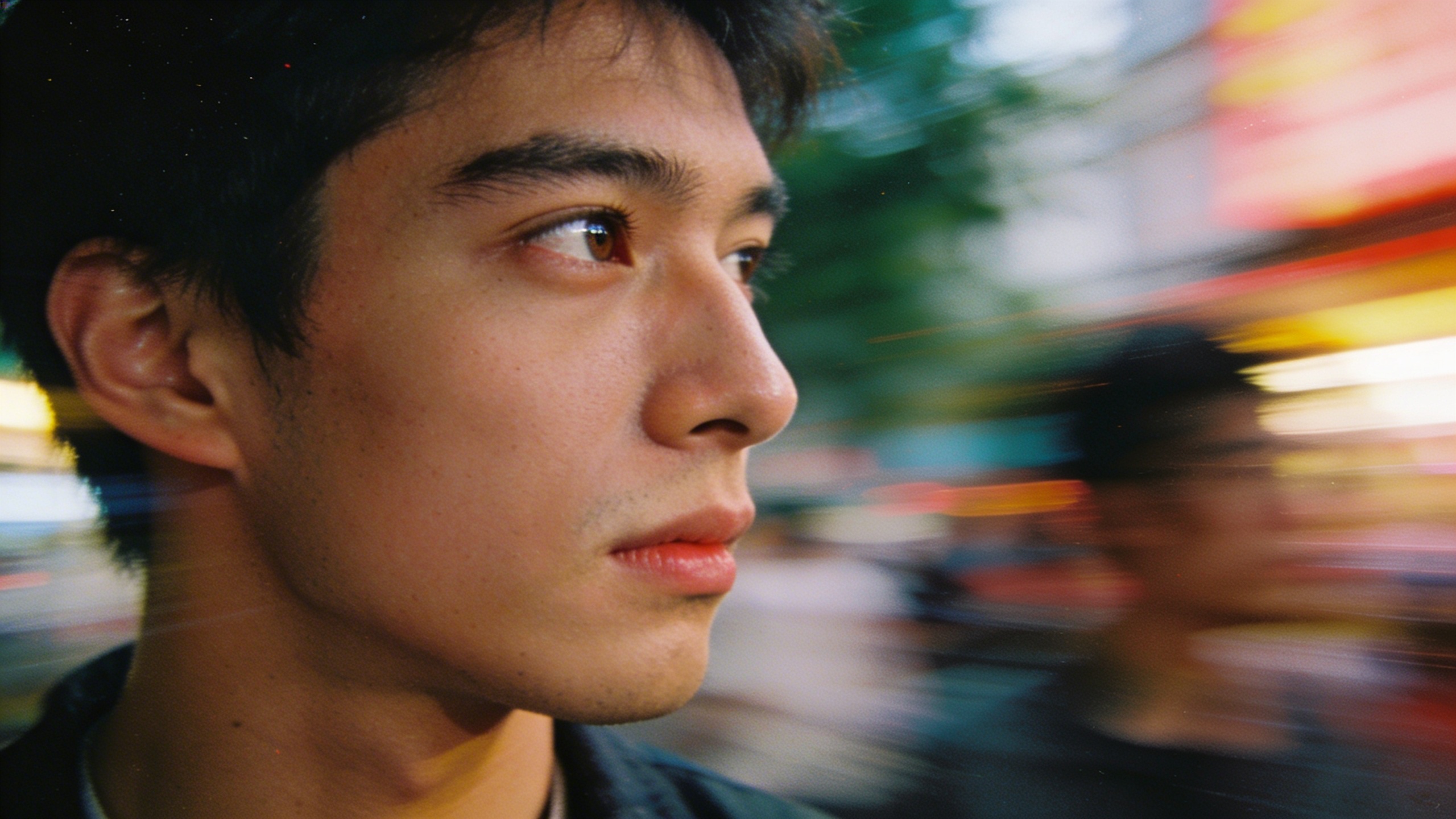

Seedream 5.0 Understands Photographic and Domain Craft
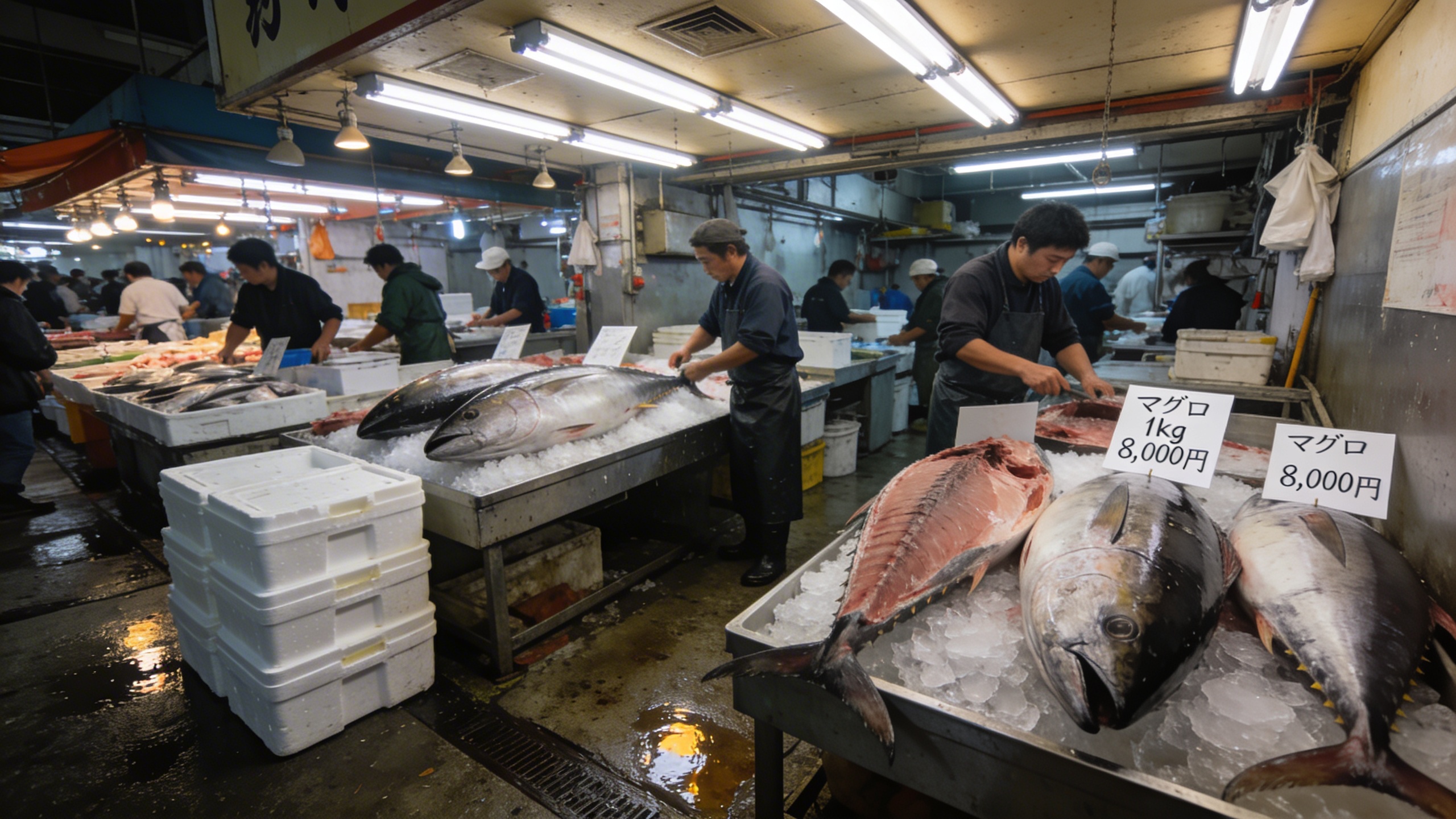
The photographic intelligence runs deep. Seedream 5.0 interprets references to specific film stocks, lens characteristics, and lighting setups, producing images that reflect the physical qualities of each. A prompt referencing Tokyo neon at night through an anamorphic lens produces something that reads like a real photograph — not a rendering of keywords. The model carries this technical fluency into other domains: it can render architectural visualizations from floor plans, generate scientifically accurate coral reef cross-sections, and produce exploded-view mechanical diagrams with correct spatial logic.
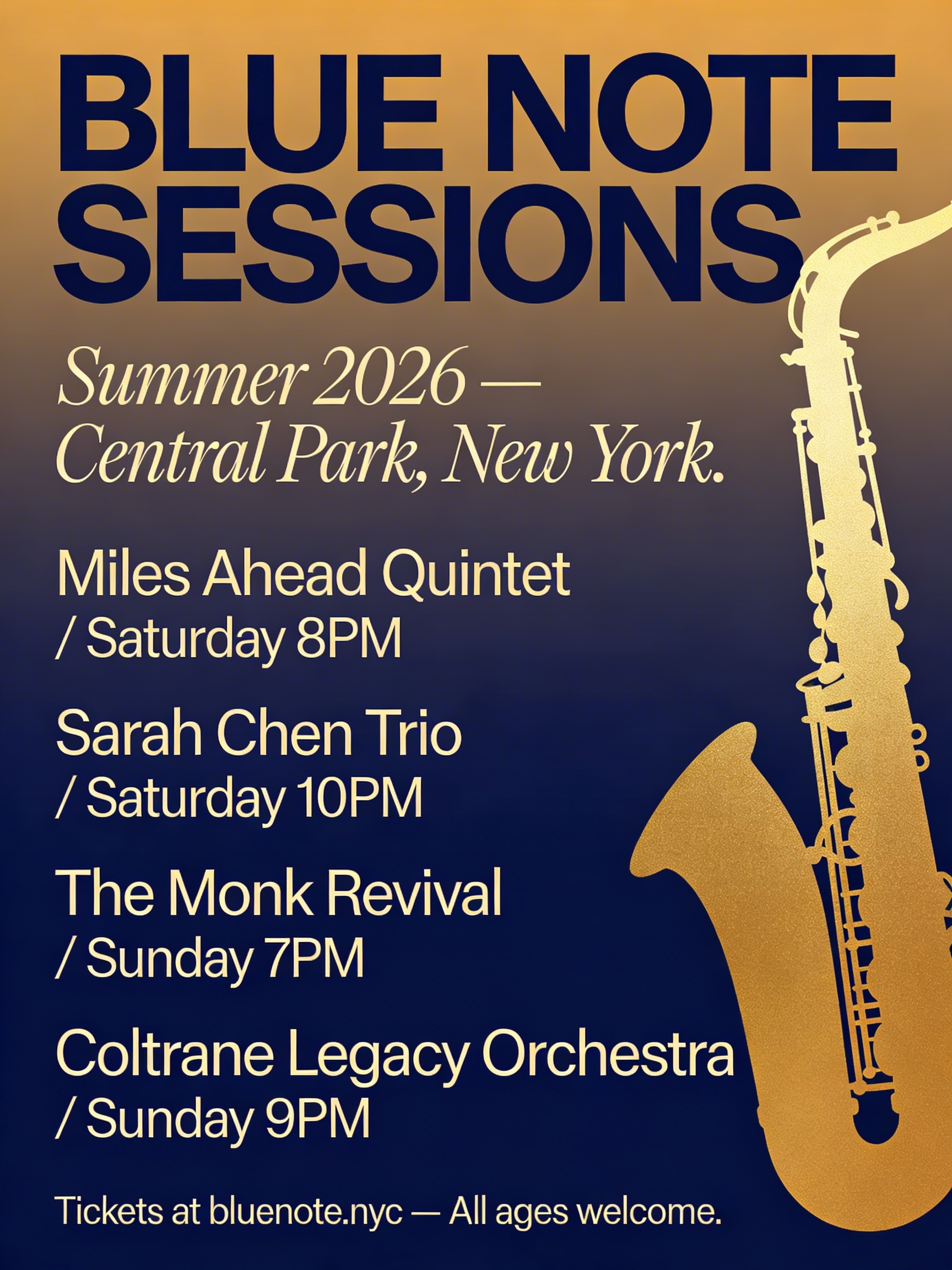
Text rendering is handled with similar precision. Seedream 5.0 generates multilingual text within images accurately, supporting multiple typefaces and layouts in a single composition — a capability that remains rare among image generation models. The jazz festival poster examples in ByteDance's documentation show Latin and CJK characters coexisting cleanly on a single layout, with typographic hierarchy intact.


Multi-step reasoning extends to sequential visual logic. The model can depict the stages of butterfly metamorphosis across a single image, sort flowers from a mixed bouquet into separate vases by species, or show tadpoles progressing to adult frogs — all from natural language prompts that describe the logical relationship rather than each frame individually. For designers building editorial illustrations, scientific diagrams, or branded content systems, this represents a genuine workflow shift.
Seedream 5.0 is available via Replicate at replicate.com/bytedance/seedream-5, with both standard and lite variants accessible through the API. The prompting guide recommends natural language over keyword lists, and supports image input for reference-based and example-based editing tasks.