by sofia
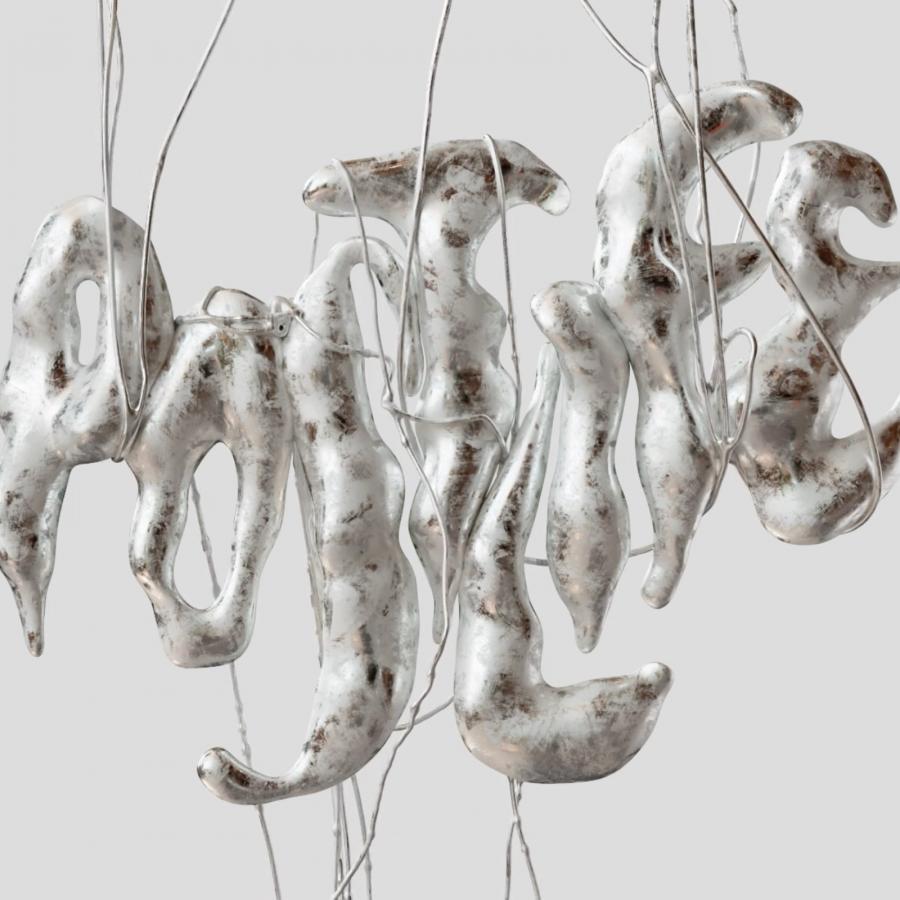
The Fence Magazine typography centers on a bespoke display typeface, giving Mathias Clottu room to morph the masthead from dripping type to neon effects.
Launched in 2018 by Charlie Baker, The Fence has grown into one of the UK's most distinctive independent periodicals. Every visual decision, from the black-and-white pages to a single accent color sitting between orange and typographic red, flows from a tightly controlled yet playful design philosophy. Art director Mathias Clottu has shaped the visual identity since launch, building a system that stays consistent while allowing real creative range.
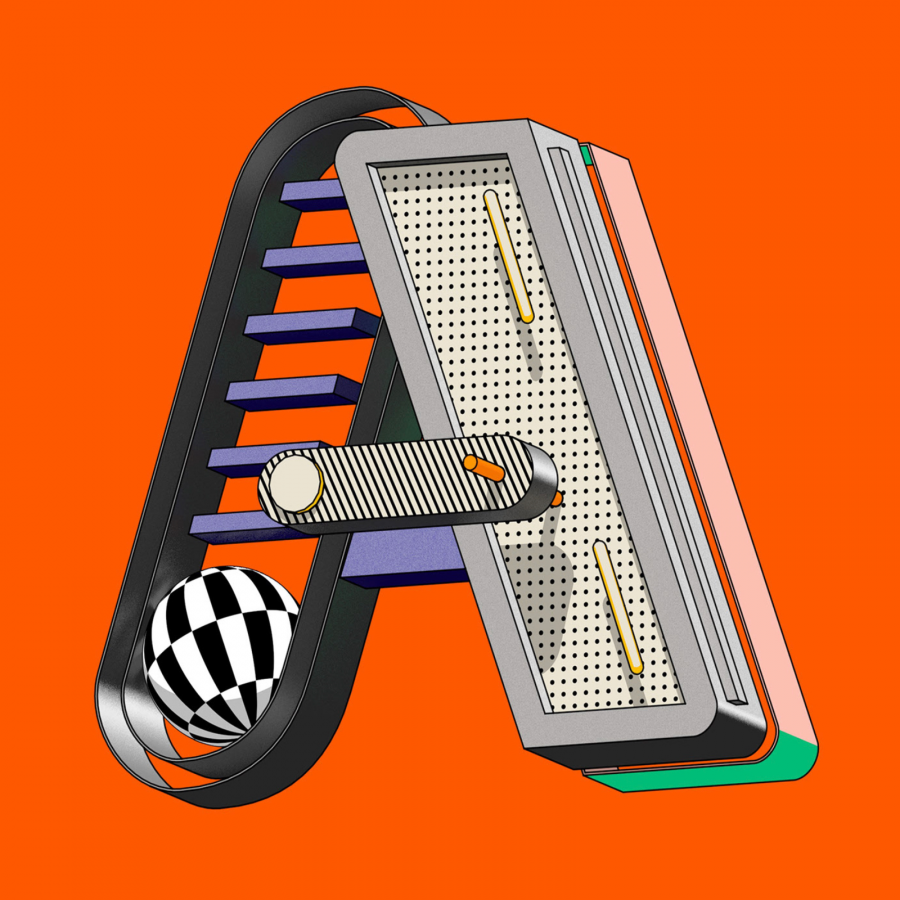
The display typeface at the heart of The Fence Magazine typography was created by Adrien Vasquez of the Abyme foundry. Vasquez drew inspiration from woodblock printing and midcentury poster typefaces, producing letterforms with real personality and structural confidence. The body text runs a modern interpretation of the 17th-century Jannon typeface, pairing historical weight with the display font's expressive energy. The magazine relies entirely on illustration rather than photography, which pushes the typography to carry more of the visual load.
How The Fence Magazine Typography Shapes Every Cover
Each issue's masthead responds directly to the cover story. One issue features pannacotta-shaped letters; another lets the type drip; a third channels neon-sign effects. Issue 26 went further, recycling previous mastheads as Easter eggs throughout the publication. Baker describes the approach plainly: "We use the bespoke typeface to fill the space and be loud when we need to." Clottu calls the system "rigorous yet flexible." Both descriptions hold. The Fence Magazine typography draws on a lineage that includes The Face, NME, Spy Magazine, and Private Eye: publications that understood type as voice, not just decoration.