by ibby
With California 1 reopened south of Big Sur, this coastal journey traces a return to the road—through redwoods, cliffside viewpoints, and thoughtfully designed camps from Big Sur to Malibu.
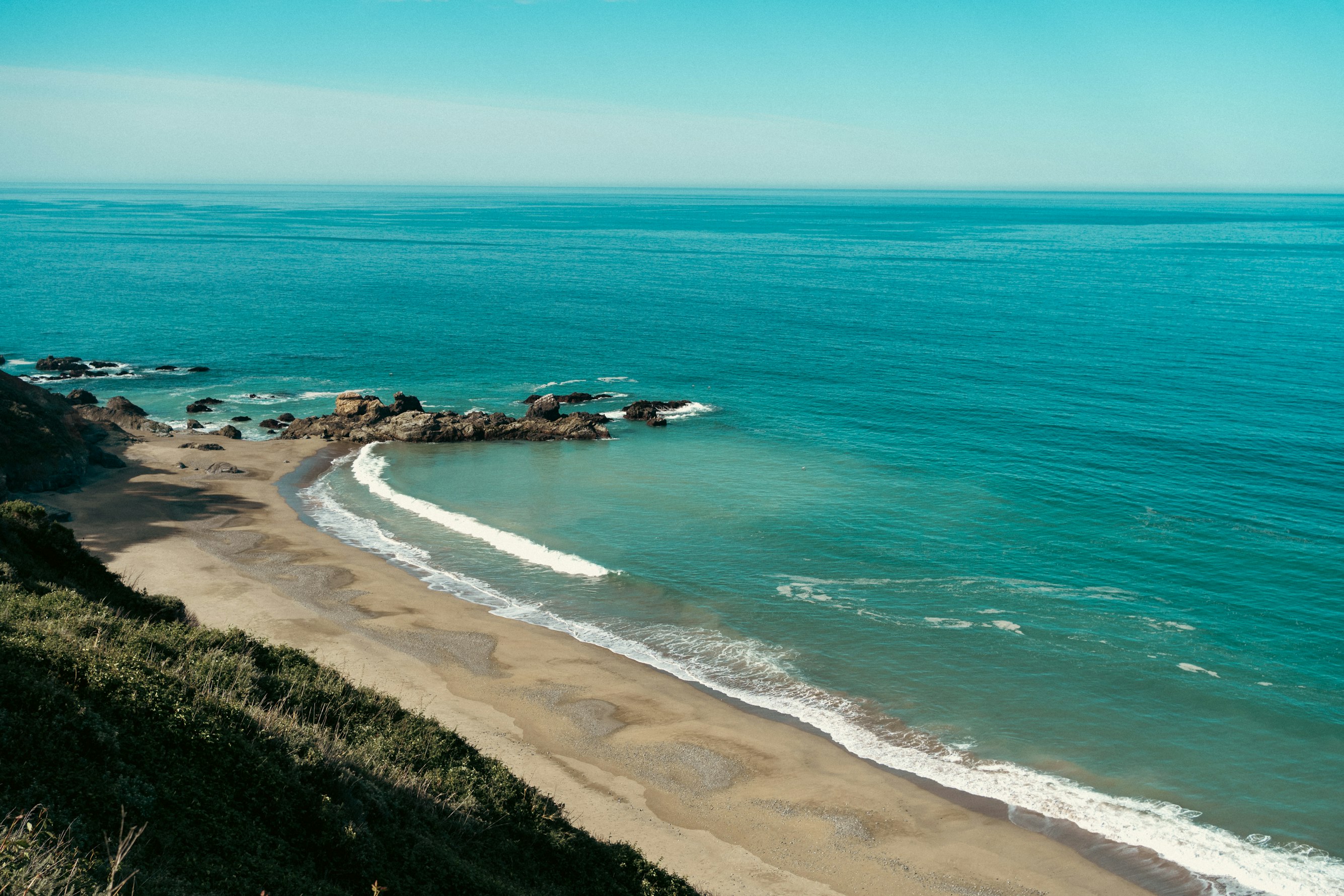
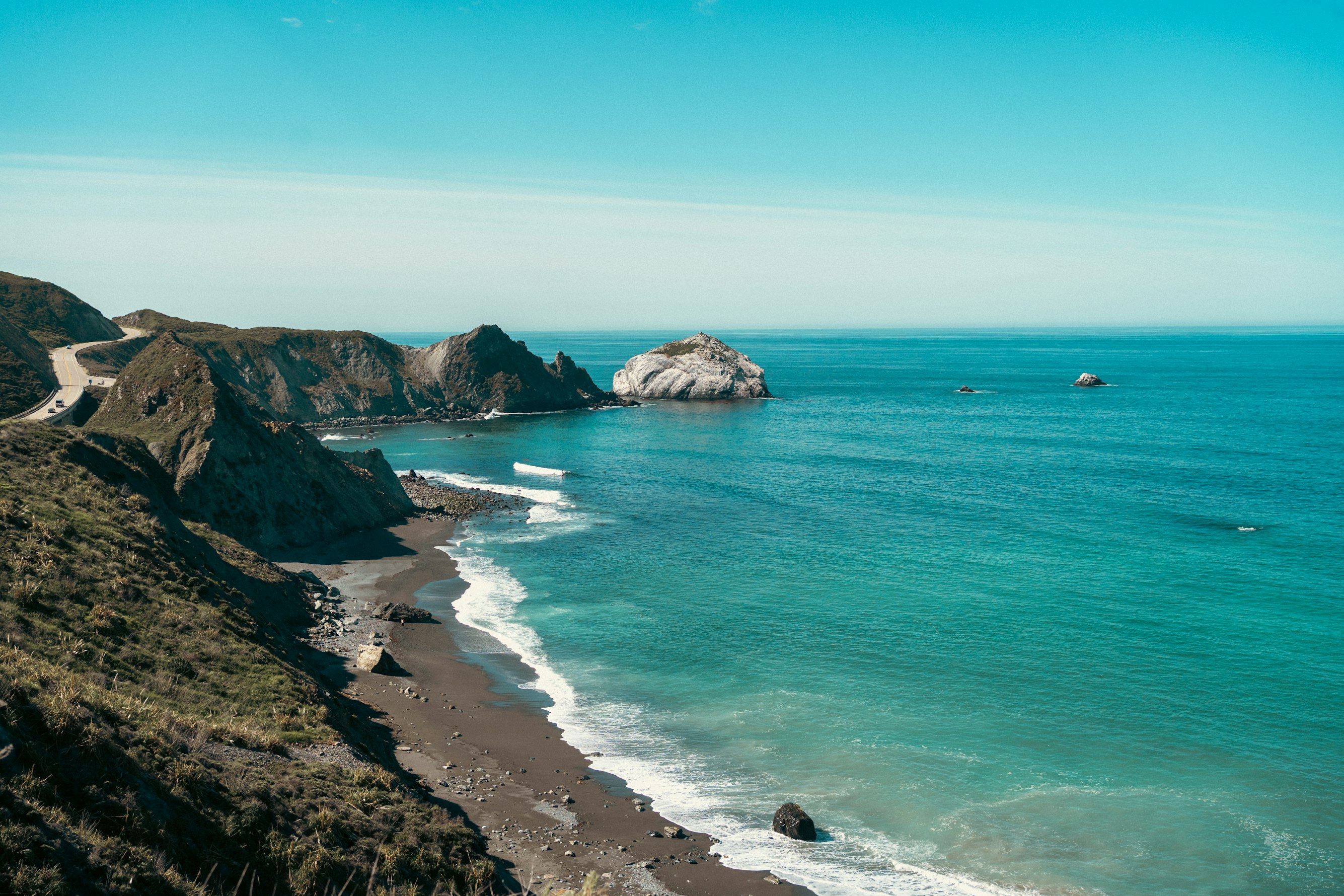
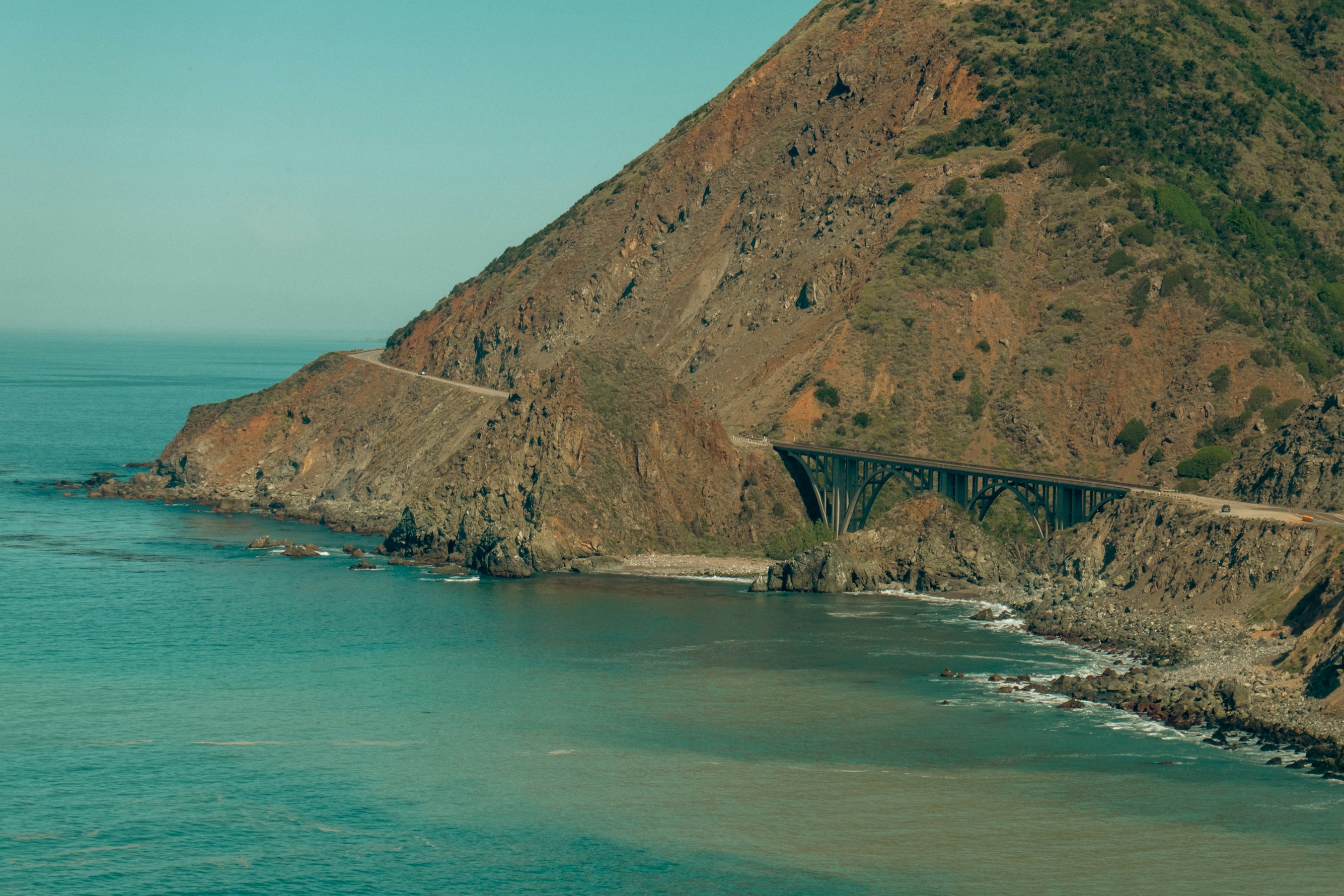
After nearly three years of closures, California State Route 1 has finally reopened south of Big Sur, restoring one of the most iconic drives on the West Coast. What returns isn’t just access, but perspective: open horizons of the vast Pacific Ocean and that quiet tension between scale and stillness that defines the California coast.
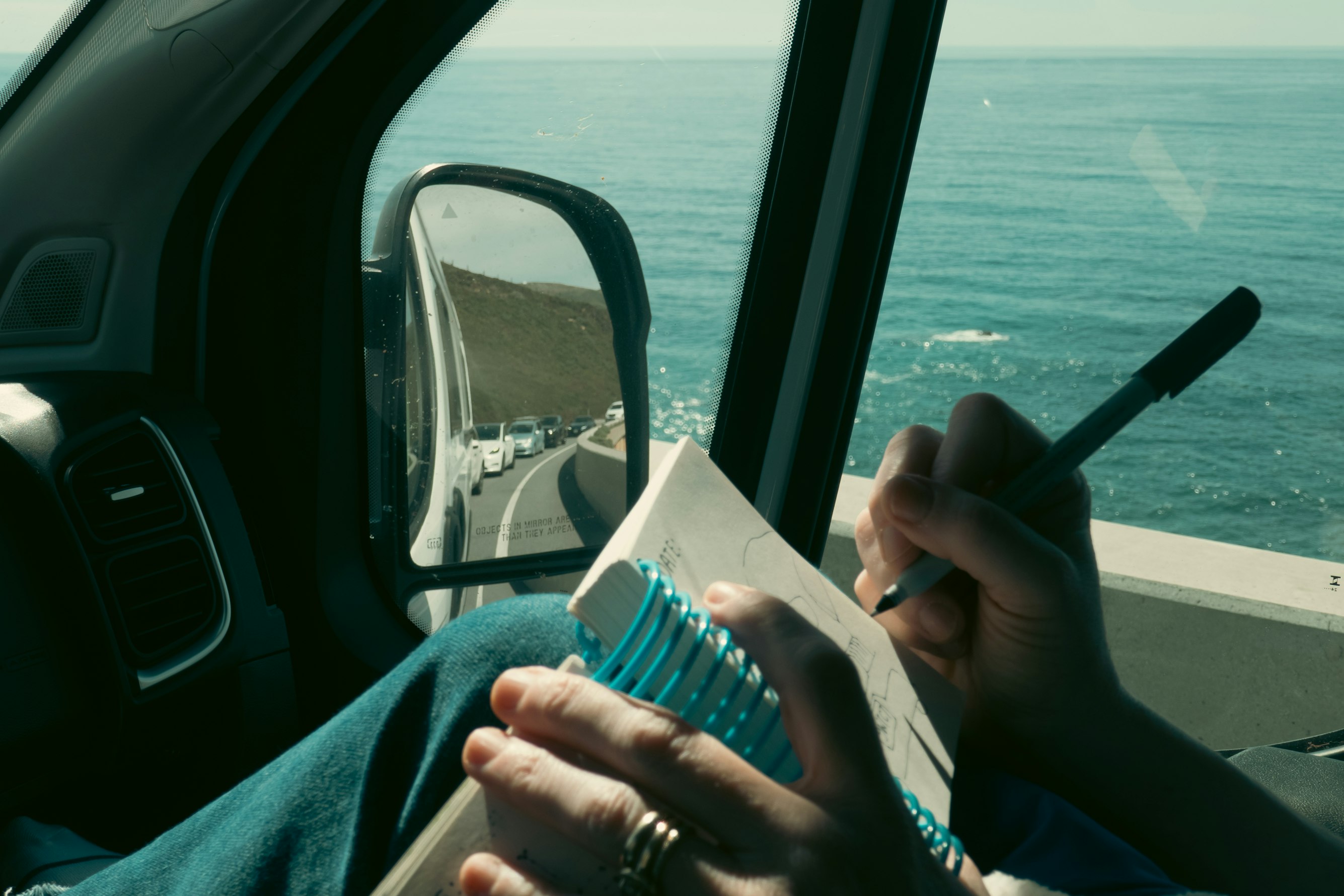
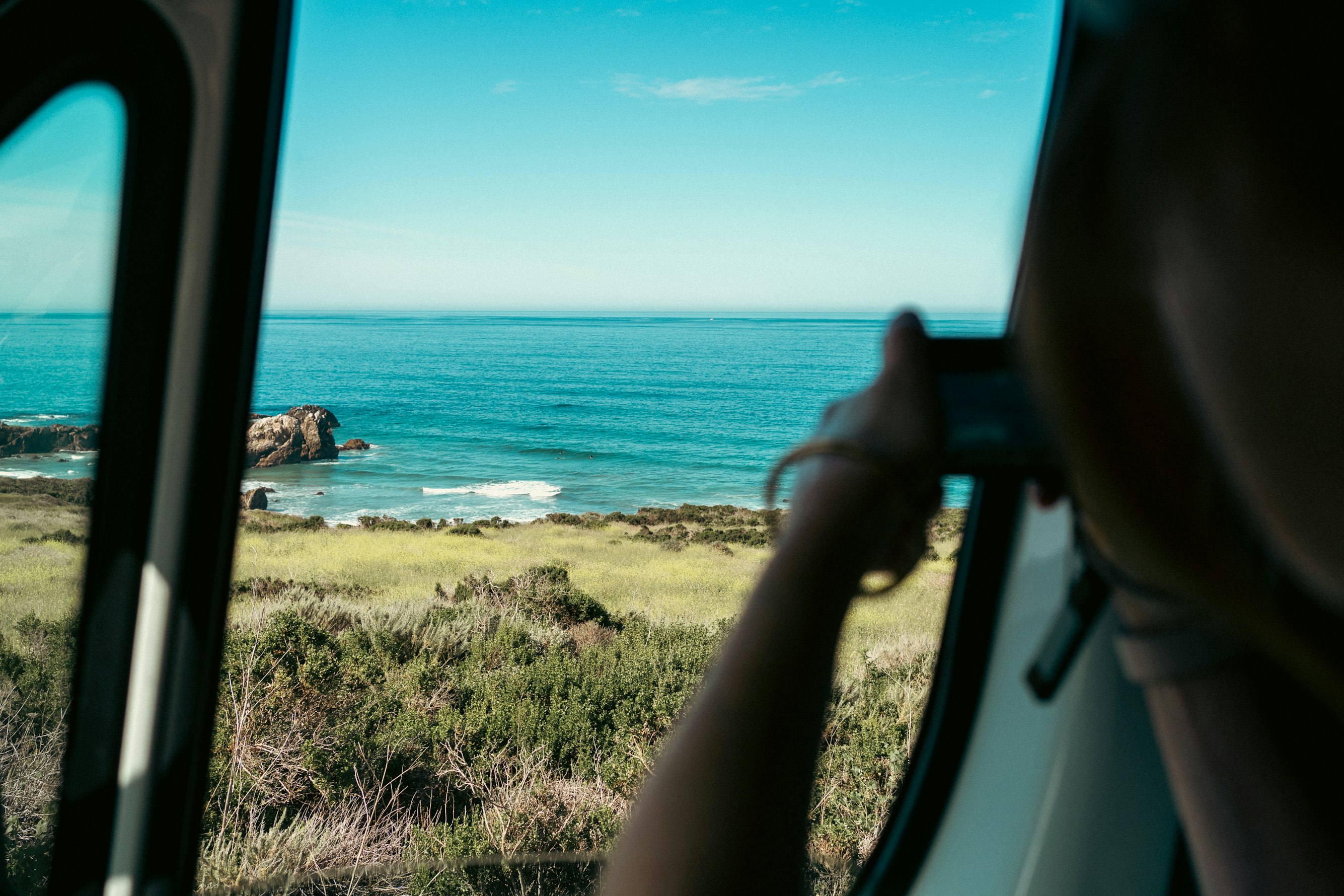
This trip wasn’t just about movement, it was about composition. Light cutting through redwoods, fog flattening the horizon, the road itself acting as a vanishing point pulling everything forward.
We started in Big Sur at Fernwood Resort, an easy 10/10. The setting feels almost designed: towering vertical lines of redwoods, soft diffused light, and the constant motion of water threading through the site courtesy of The Little Sur River. An iconic Big Sur location that we will certainly be coming back to again very soon.
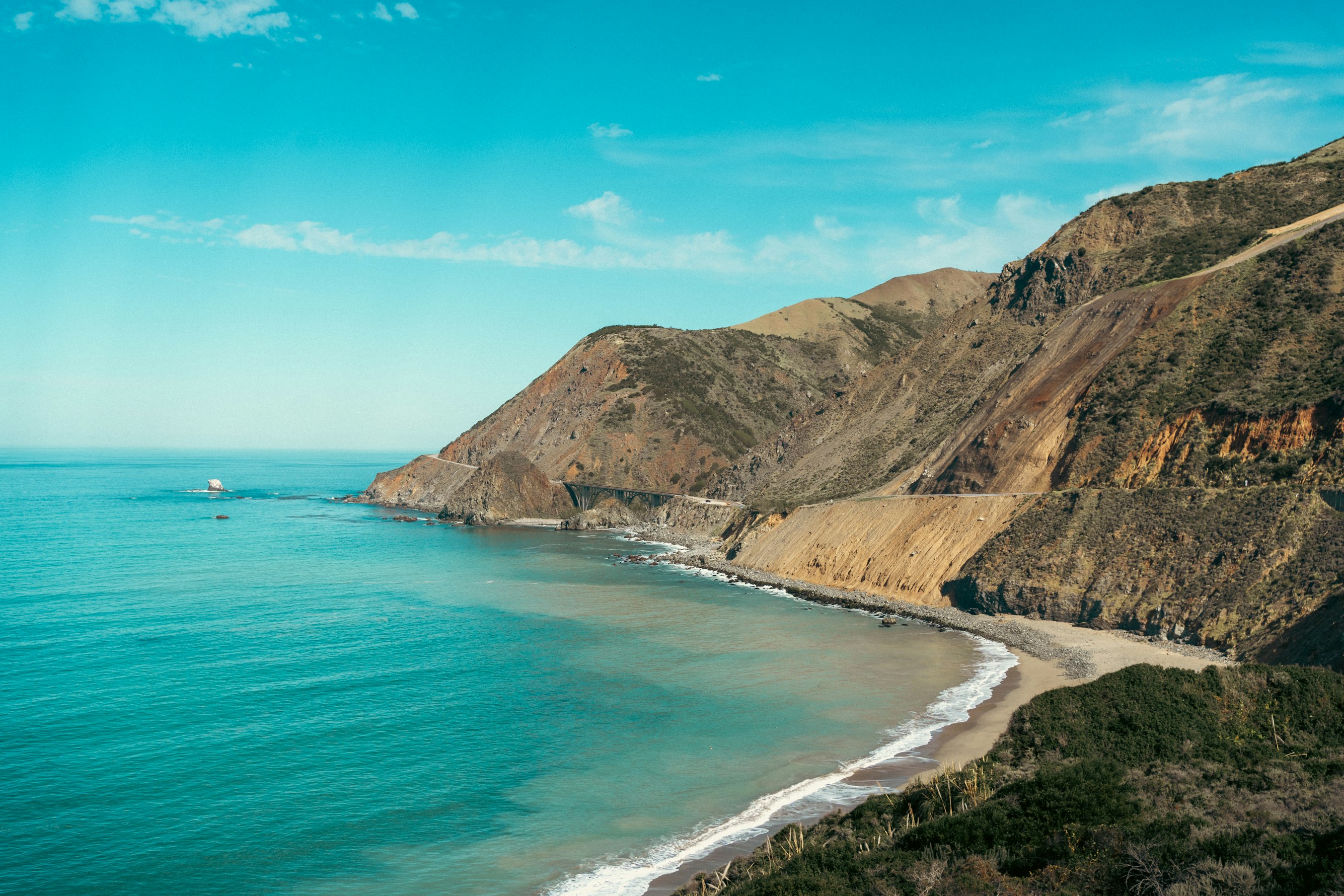
From there, the newly reopened stretch of Highway 1 delivered exactly what had been missing for the past three years: continuity. The drive unfolds as a sequence of frames.
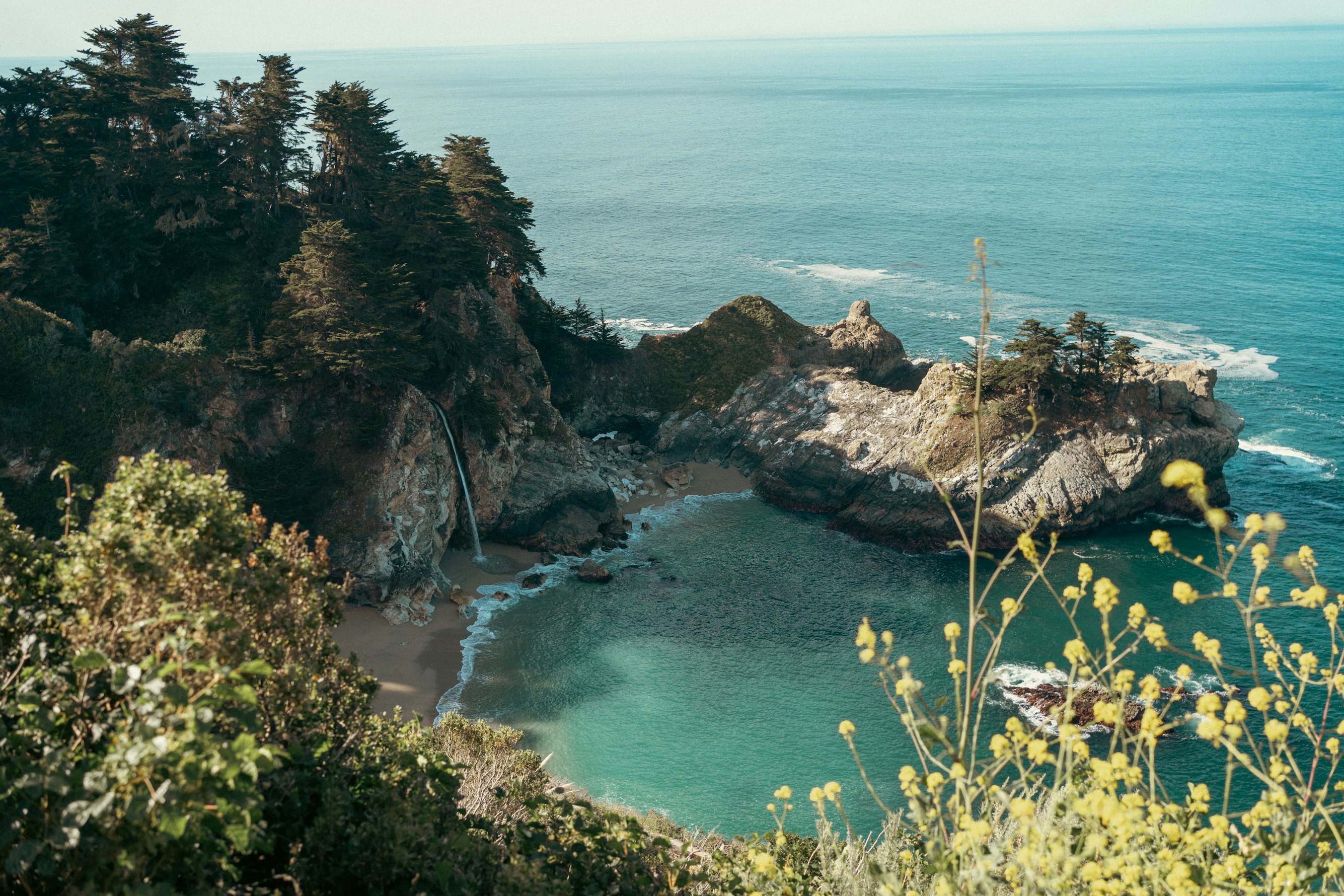
At McWay Falls, the composition is almost too perfect, a waterfall suspended between land and ocean. A narrow ribbon of water drops about 80 feet from granite cliffs directly into a small turquoise cove along the edge of Julia Pfeiffer Burns State Park. It’s one of the few true tidefalls in the continental U.S.—meaning the waterfall meets the ocean (or the beach at low tide).
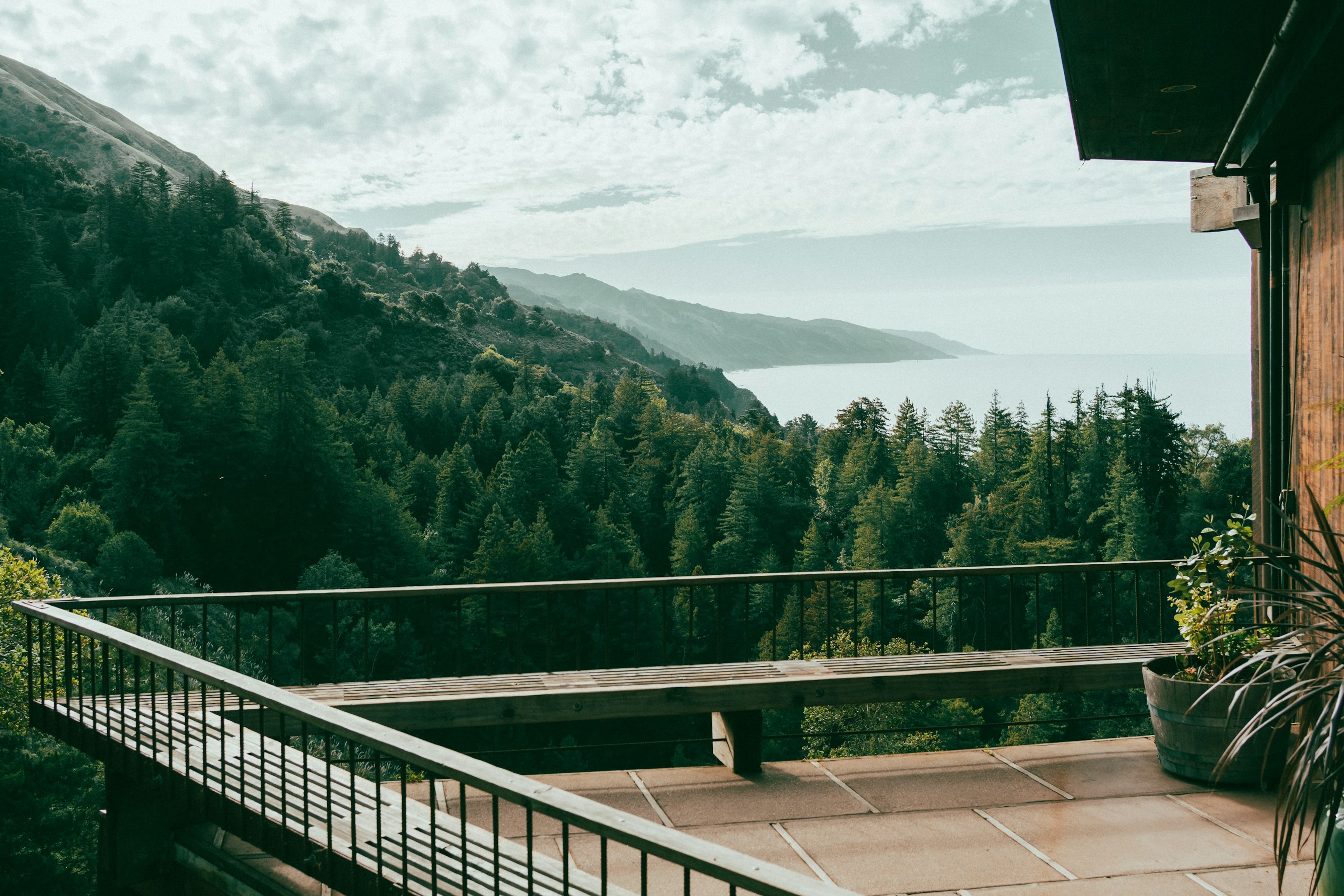
A stop at Nepenthe offers a different kind of pause. Perched high above the Pacific in Big Sur, Nepenthe is as much about place as it is about pause. Built in 1949 from redwood and stone, the structure was originally commissioned by Rita Hayworth and Orson Welles, and designed to blend seamlessly into the surrounding landscape. Over time, it has become a cultural landmark celebrated for its open-air terraces and warm, natural materials framing one of the most iconic views along California State Route 1.
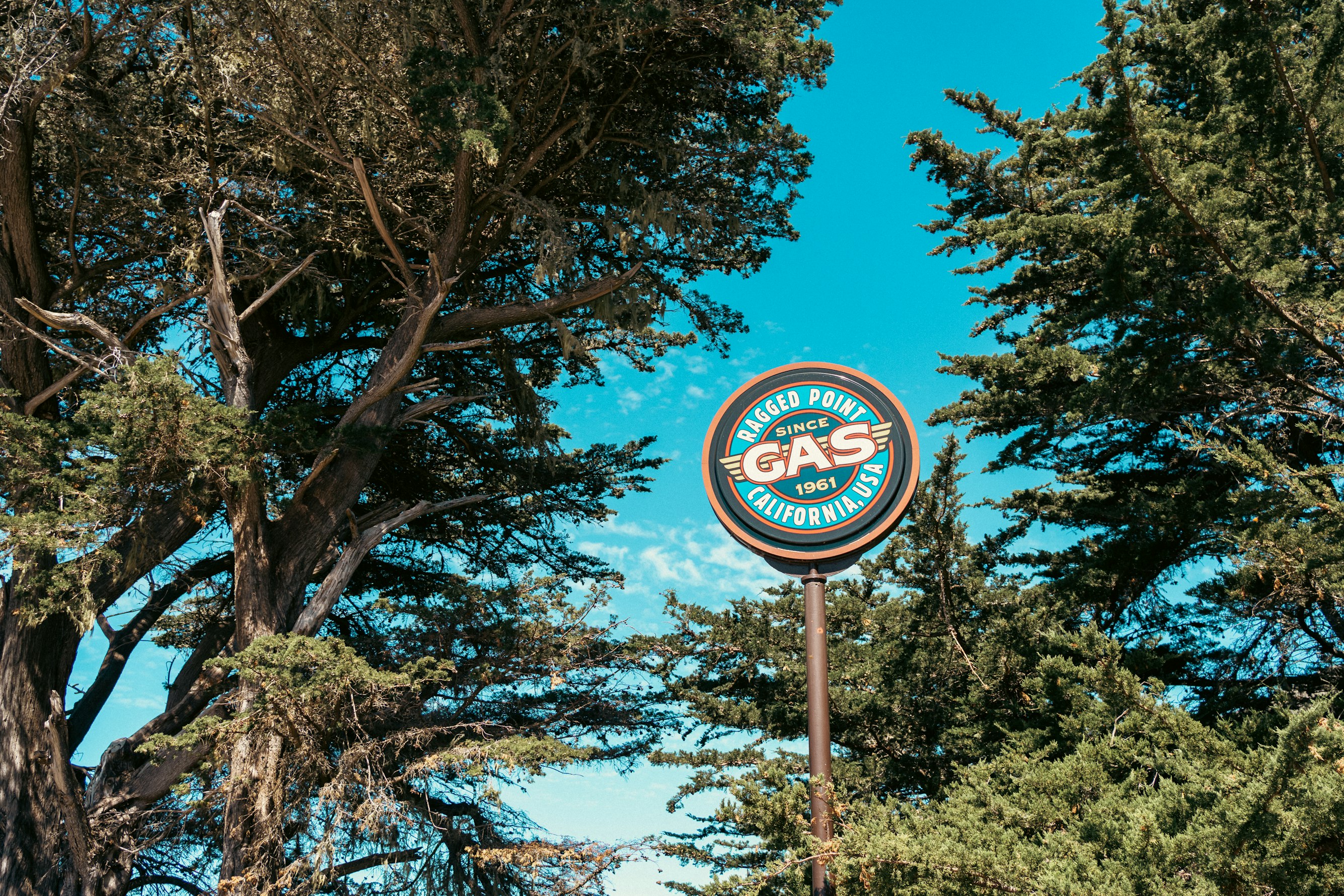
Further south is Ragged Point which functions as the southern gateway to Big Sur, a threshold that is as much psychological as it is geographic. Historically, it served as a definitive marker for travelers: the moment where the Central Coast gives way to a terrain more rugged, remote, and unpredictable. It is the point where the landscape shifts into something wilder.
Prior to the completion of State Route 1 in the 1930s, this coastline was definitively isolated. Movement between settlements required arduous inland detours or the navigation of primitive trails. Once the road was carved into the granite, Ragged Point became one of the first dramatic reveals showing exactly what modern engineering had made accessible.
The Ragged Point Inn & Resort, established in the 1950s, solidified the area as a considered pause point. It wasn’t merely about utility, but about the composition of the view. It remains a classic California landmark where the structure and the surrounding landscape are entirely inseparable.
Next stop: Avila Flying Flags Resort and Campground. Unexpectedly refined. The facilities are brand new, clean, considered layout, everything intentional.
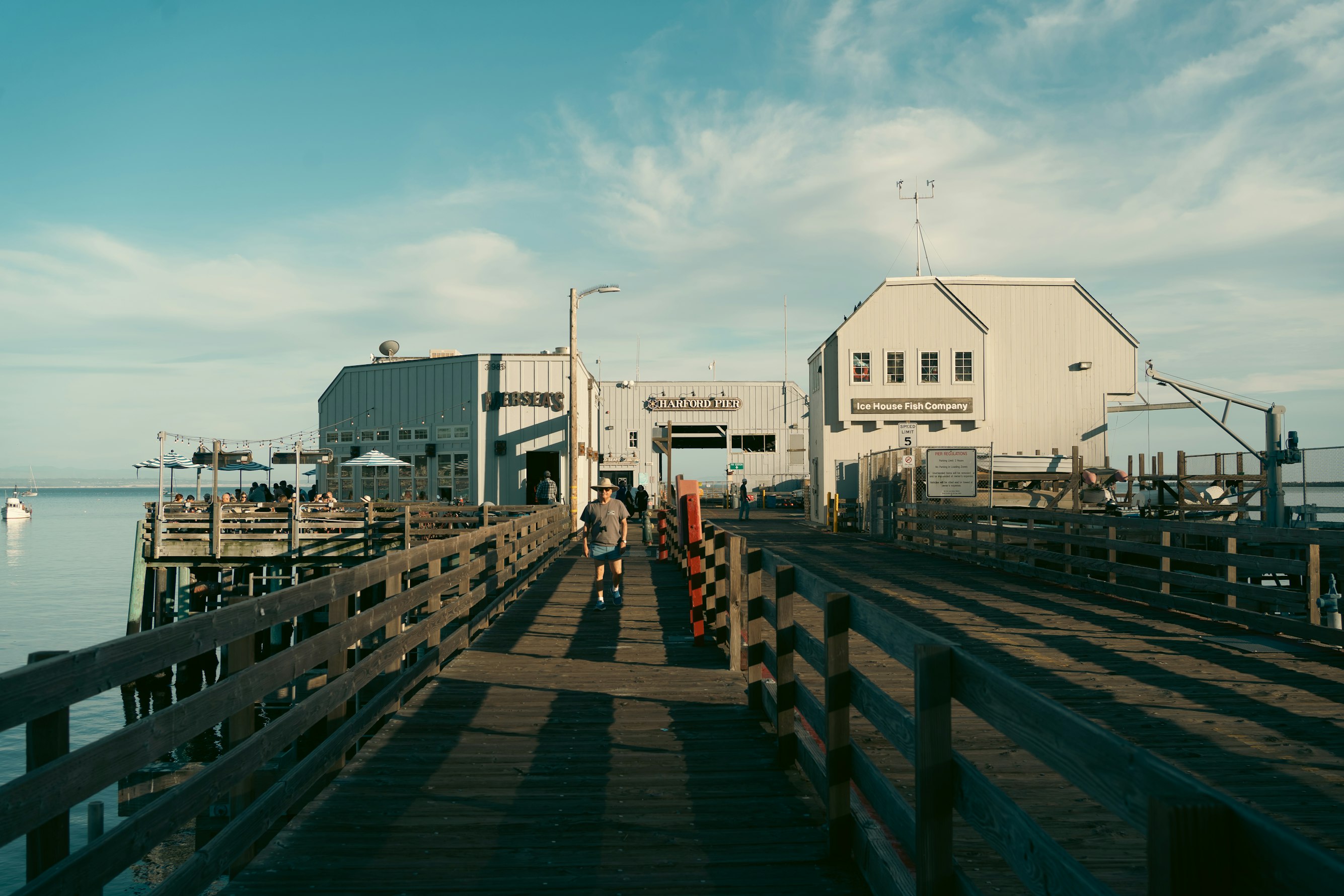
A short walk leads to Port San Luis, where the harbor and pier offer softer compositions—muted tones, slower movement. Across the street, the beach is wide, calm, and family-friendly. We even caught a near glimpse of a SpaceX launch from Vandenberg Space Force Base, a reminder of how surreal this stretch of coast can be.
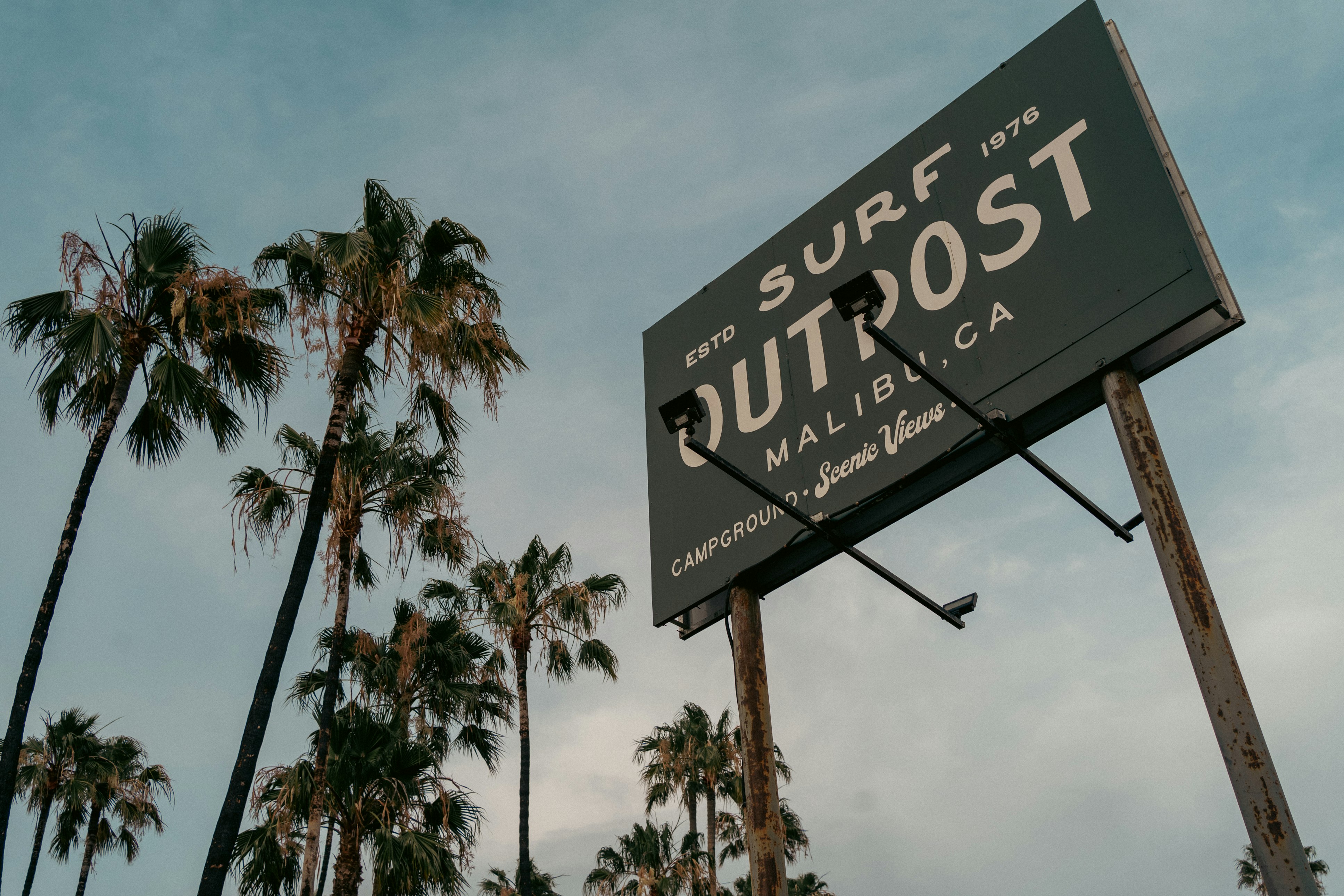
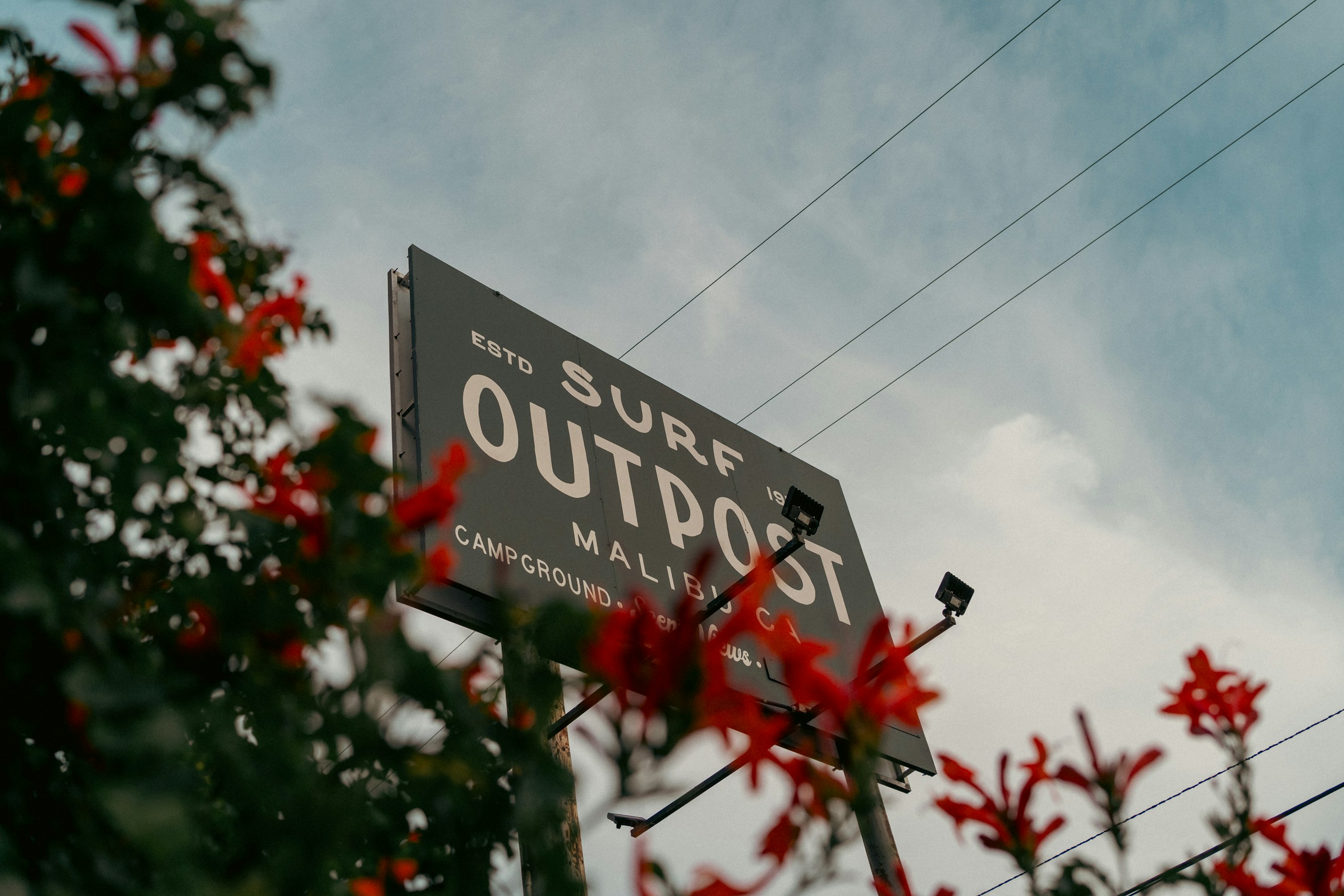
We wrapped at Malibu Surf Outpost, still a favorite. No bad spots. Malibu Surf Outpost feels less like a traditional campground and more like a continuation of Malibu’s surf and roadside culture. Set along the iconic stretch of Pacific Coast Highway, the Outpost sits within a landscape that has long been tied to California’s surf identity, home to generations of surfers, beachgoers, and creatives who helped define the visual language of the coast. While the site itself is relatively modern, its ethos draws directly from that lineage: simple living, proximity to the ocean, and an emphasis on experience over excess.
What makes it stand out is its intentional restraint. The layout is clean and unfussy, letting the ocean and horizon do most of the work. The small on-site shop reflects this same thinking, less convenience store, more curated collection, with objects that feel aligned with Malibu’s design sensibility: tactile, local, and considered.
In many ways, Malibu Surf Outpost represents a newer chapter of the California road trip, one that blends camping with design, surf culture with curation, and nostalgia with a more modern, minimal approach to coastal travel.