by abduzeedo
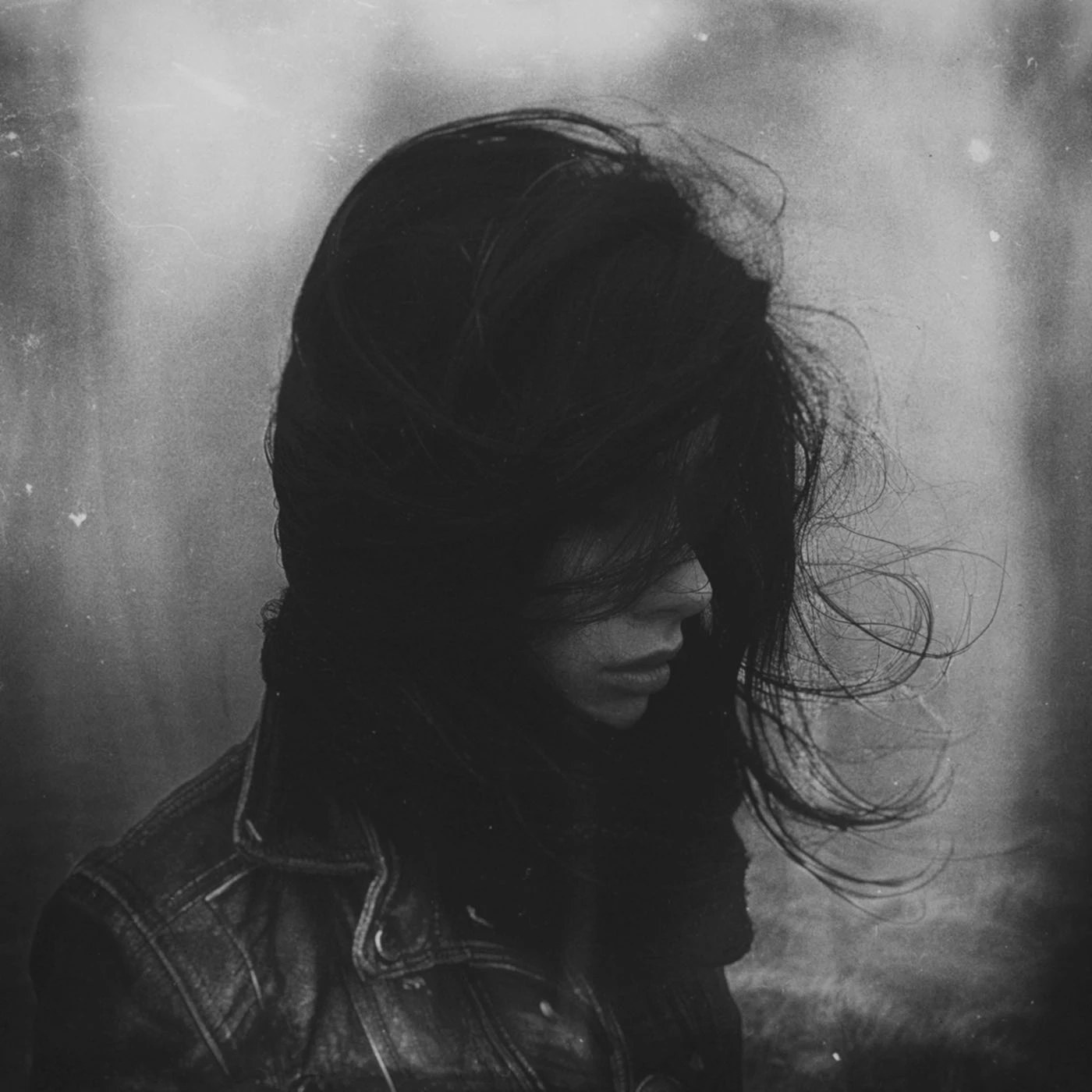
Leonardo Bandinelli’s black and white portrait photography series works on analog film, building intensity from crushed shadows, grain, and averted eyes.
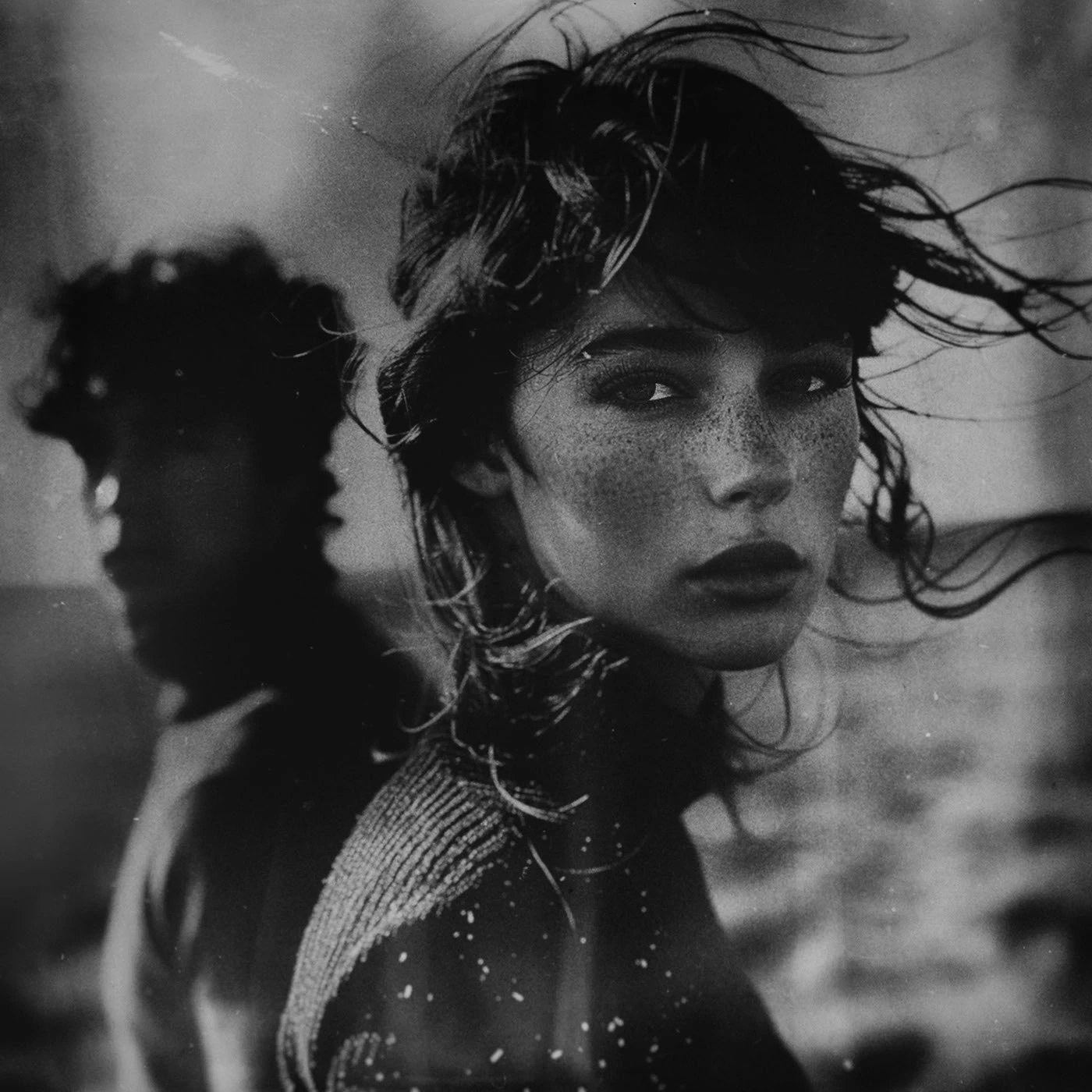
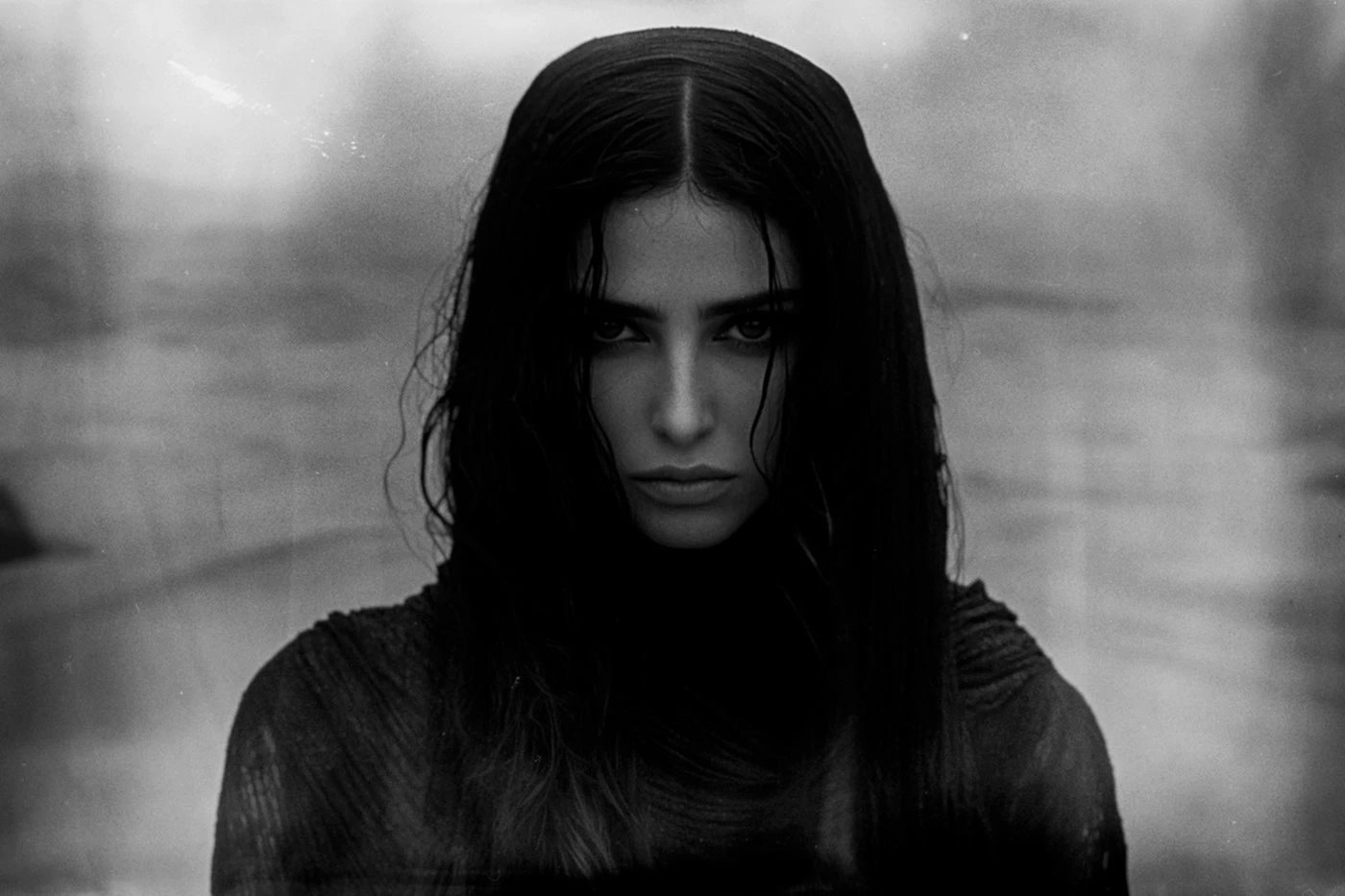
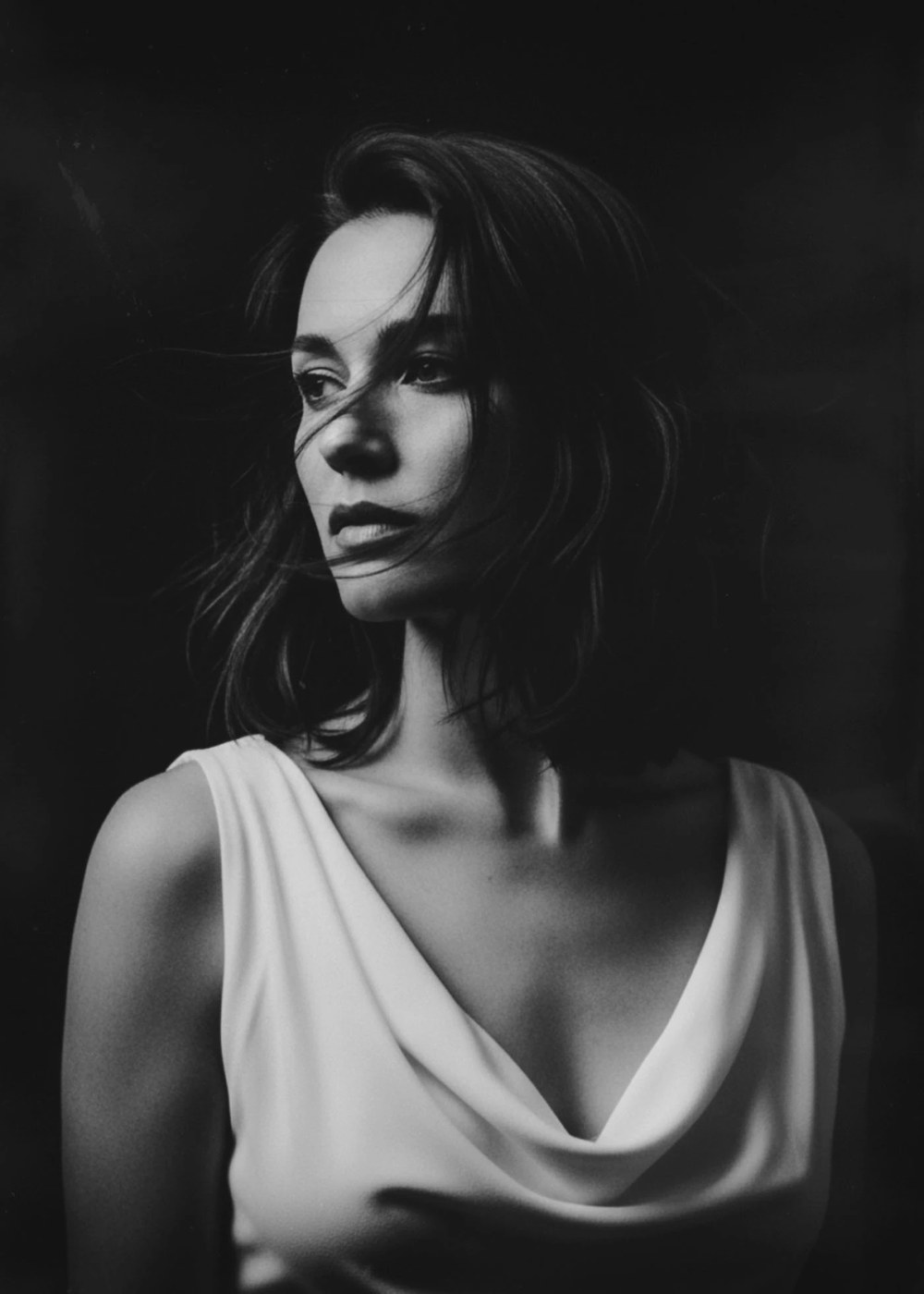
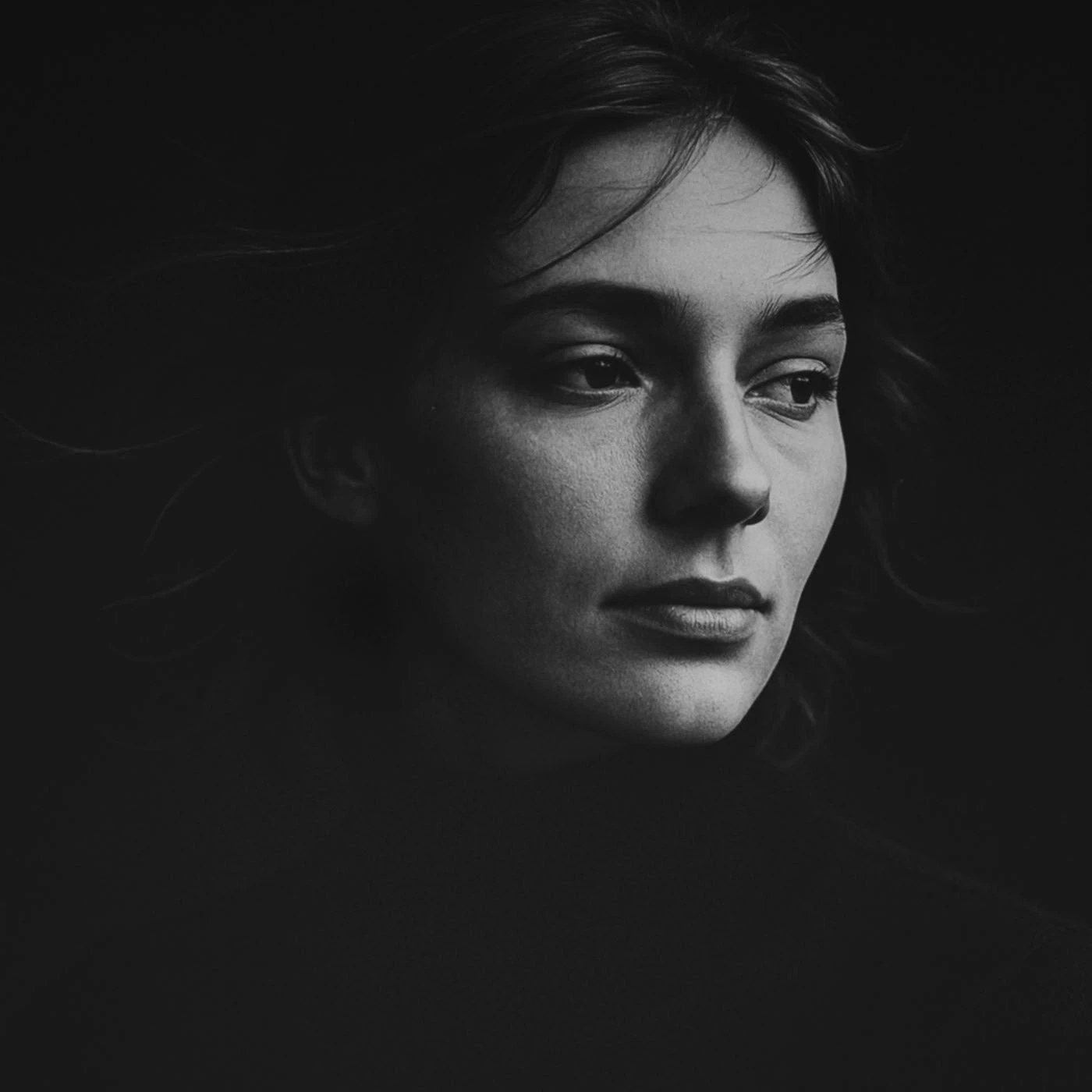
Bandinelli’s 13-image black and white portrait photography analog series photographs people the way Corbijn does: not to document, but to isolate. Tight head-and-shoulder framing strips every environmental reference. Backgrounds go dark or neutral. Side- and top-lighting splits the face into lit and shadow halves, modeling skin as sculptural relief rather than surface. The shadows crush to near-black. Highlights hold fine texture. Analog grain sits in the shadow masses at a density that reads as structure, not noise — at 1400px it is visible and integral, nothing like a filter overlay. Subjects consistently tilt their heads, drop their gaze, or turn away from the lens entirely. The result is a psychological interiority that confrontational portrait photography rarely achieves.
Black and White Portrait Photography Analog: Bandinelli’s Anti-Perfection Approach
His artist statement is direct: ‘I do not seek perfect aesthetics, but the emotion that emerges between light and shadow.’ That position is legible in every frame. The series is 13 images of analog black and white portrait photography — not lucky moments but a sustained mode. The same tonal logic runs through each negative. The grain belongs to the film. The shadows are decisions made at the light stand, not in post-processing. This is the kind of analog black and white portrait photography that ends up on reference boards, not inspiration dumps.
See the full project by Leonardo Bandinelli on Behance.